Stop the Drift: Getting Your Brake Pad Bonding Right
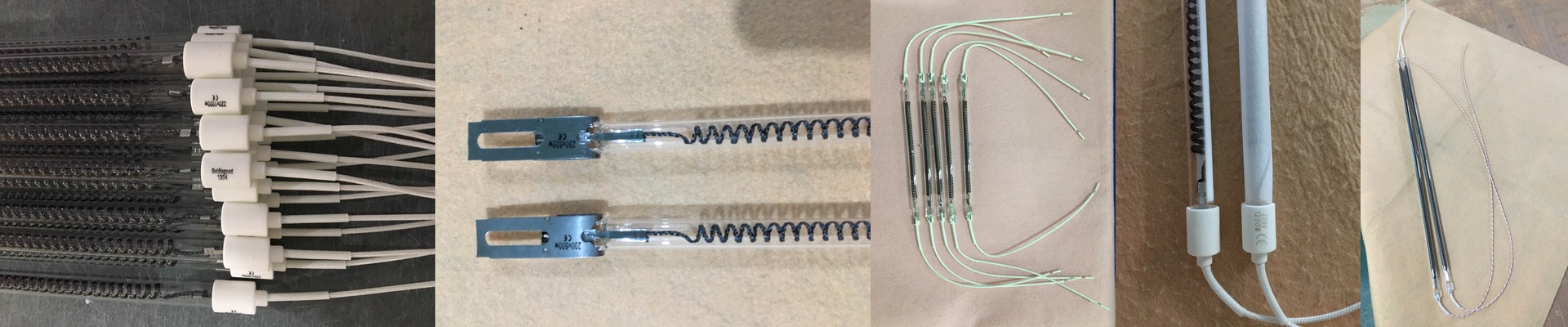
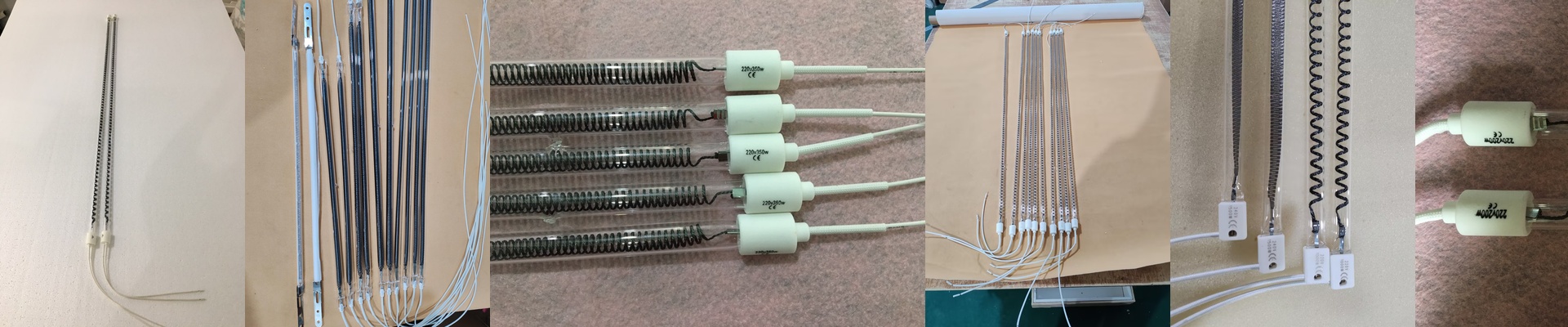
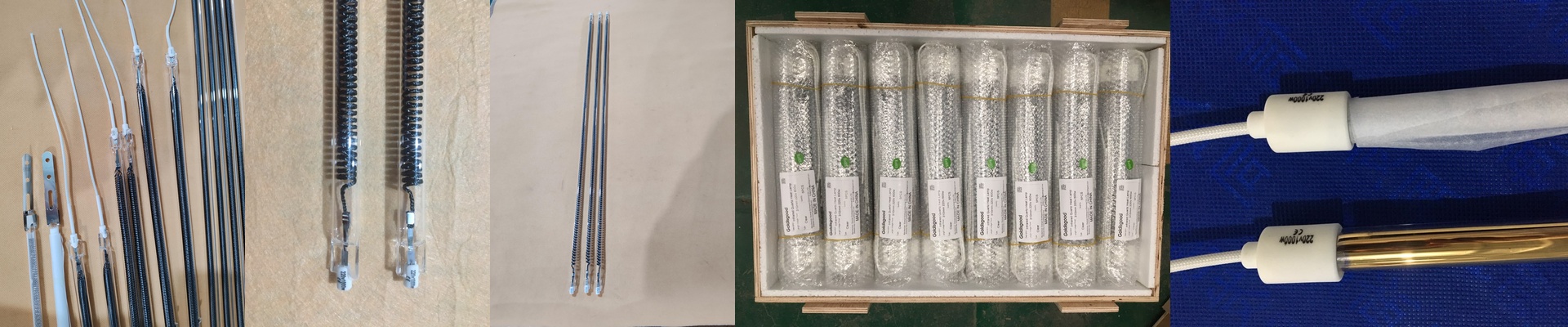
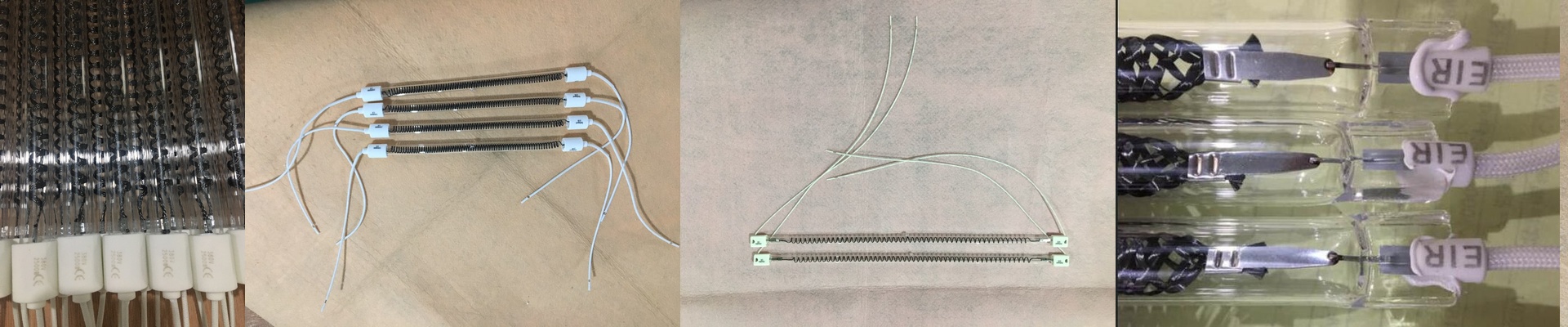
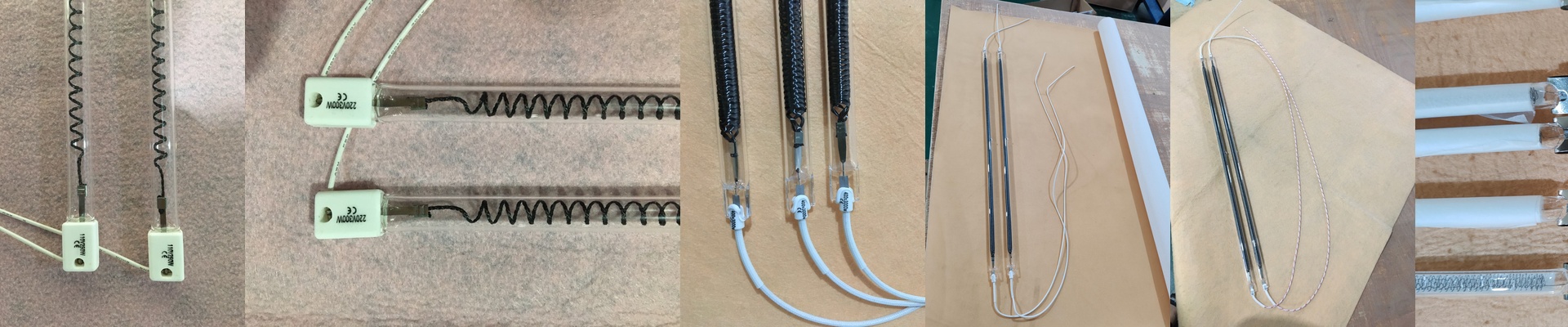
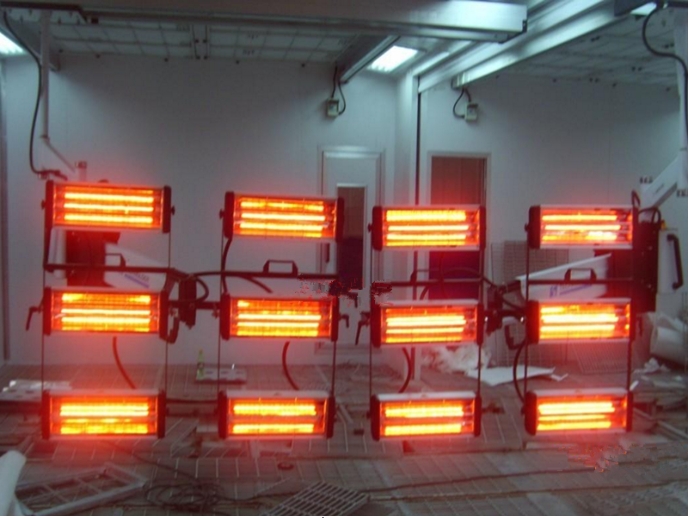
When you’re running a brake pad line for 24 hours straight, consistency is everything. There’s nothing worse than checking your output only to find a pile of scrap because your infrared (IR) modules drifted in power halfway through the shift. Uneven bonding is a nightmare. That’s why we build our IR modules to stay locked in. No fluctuations. No surprises. The secret is in the power. A lot of cheap setups suffer from a “dip” in power output. We avoid that by focusing on the electrical load and using high-wattage quartz lamps paired with stabilized voltages. But it’s not just about the electricity. You have to account for thermal inertia. We use heavy-duty filaments that don’t sag when things get hot. This means the heat stays steady across the entire width of the pad, from edge to edge. Built for a beating Let’s be honest: a bonding line is a brutal place for equipment. To handle the thermal shock, we stick with high-purity quartz glass. If you need a specific wavelength, we add specialized coatings to the tubes. This pushes the heat deep into the bonding resin instead of just scorching the top layer and leaving the middle cold. And then there’s the wiring. We use industrial-grade connectors—usually R7s or Sk15. Why? Because vibration is the enemy. A loose connection creates a hot spot, and a hot spot burns out a lamp. It’s that simple. Don’t forget the cooling Here’s the thing: high-density IR modules put out a massive amount of heat. If you treat your cabinet’s cooling system as an afterthought, you’re asking for trouble. If that reflected heat isn’t vented away from the electrical terminals, your wiring will fry. It’s a common mistake. We always suggest a dedicated forced-air cooling loop for the housing. It’s the only way to actually maintain a 24/7 duty cycle without things melting down. Get the wiring right, balance your load, and your output stays flat. Simple as that.