Getting Your IR Wavelengths Right for Brake Pads
Here is the thing about drying brake pads: you can’t just flip a switch and expect the same results for every batch. If you’re switching between ceramic and semi-metallic pads, you’re dealing with two completely different animals. They soak up heat differently. If you try to use the same IR settings for both, you’re going to end up with a mess—either the core stays damp or you toast the surface.
Why the material actually matters
Think about what’s inside the pad. Ceramics are mostly non-metallic fibers. They don’t conduct heat the way semi-metallics do, which are packed with stuff like steel wool, copper, or graphite. That’s why we obsess over the absorption curves. For those dense semi-metallic pads, we go with short-wave IR. It digs deeper. It gets the center of the pad up to temperature without frying the edges. With ceramics, it’s a different story. We dial things back to keep the surface from scorching while still keeping the line moving.
Tuning the heat (without just cranking the dial)
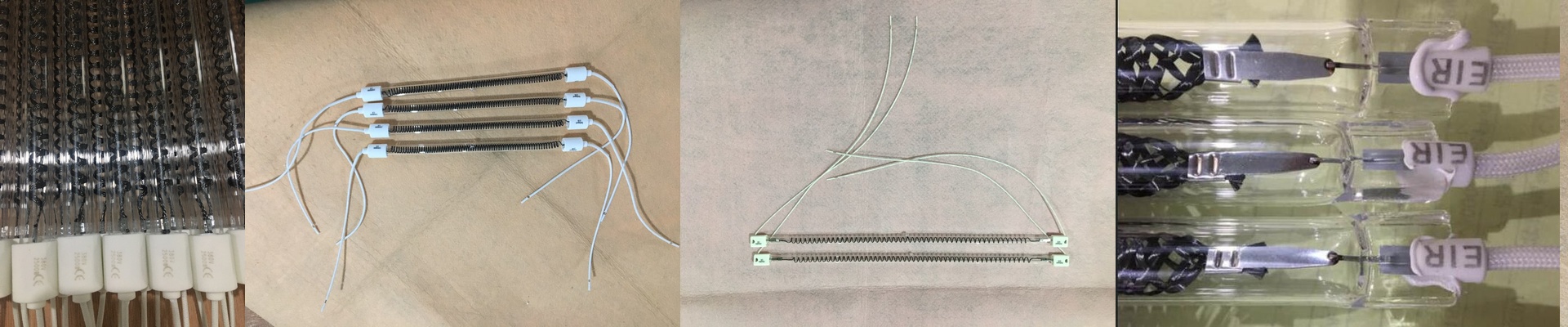
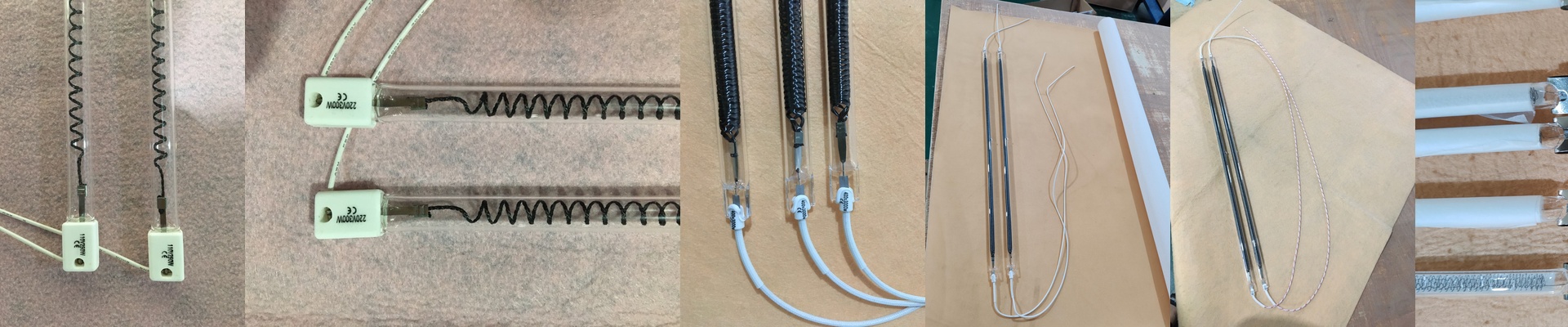
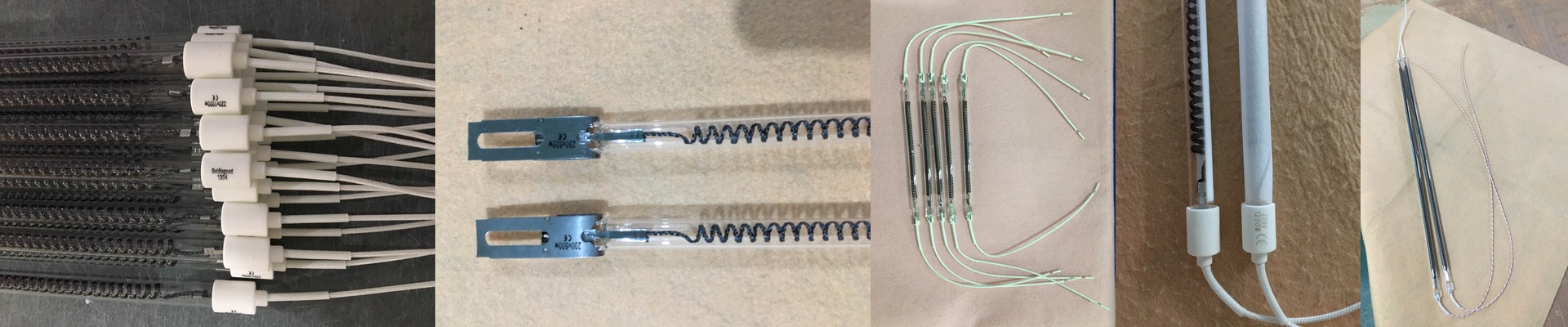
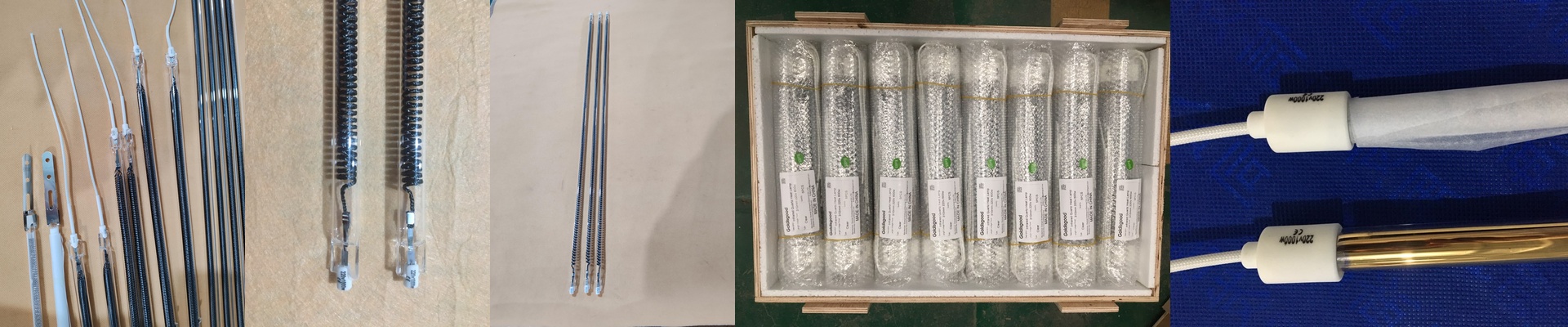
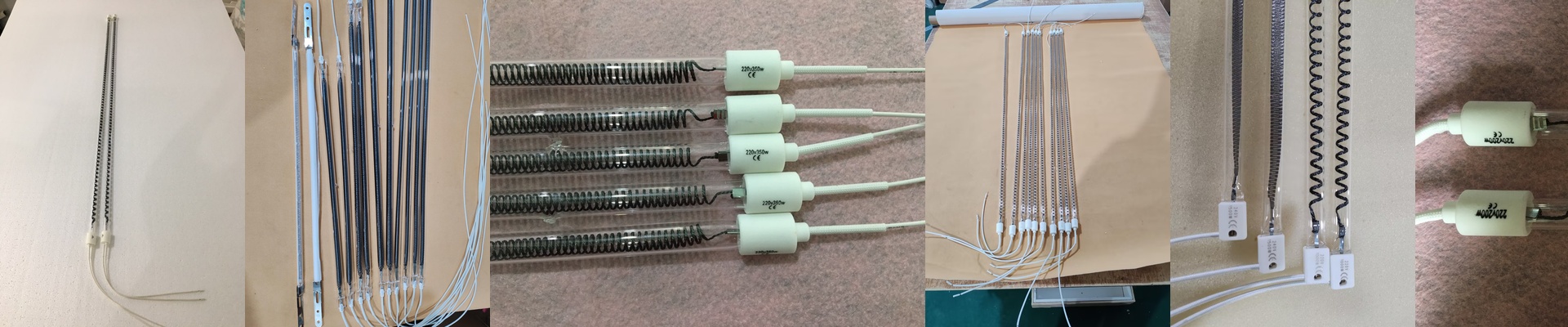
Some people think the answer is just adding more wattage. It isn’t. We look at the emitter itself—whether that’s halogen or coated quartz—to make sure it actually matches the material. A coated lamp can shift the spectrum so it hits the resin binders in the pads right where they need it. But you have to be careful with heat density. Sure, high-wattage lamps get you moving fast. But they can cause “skinning.” That’s when the outside dries into a hard shell and traps all the moisture inside. It’s a nightmare. We fix this by zoning the dryer, giving the pads a chance to breathe.
The real-world trade-offs
Faster lines sound great on paper. But remember, pushing for max output puts a lot of stress on your cooling fans and electrical panels. If you go full throttle, your power supply needs to be beefy enough to handle that initial surge when the lamps kick in. We usually suggest a staged heating profile. It’s gentler on the substrate and prevents thermal shock. It just works better.