Dealing with Warp and Spring-back in Brake Pad Curing
If you’ve spent any time on a brake pad production line, you know the frustration. You pull a part out of the oven, and it’s not flat. It’s warped. It’s bowed. It’s just… off. That “spring-back” happens because of internal stress. When a part heats up unevenly, the material locks in those tensions. The second it hits the cool air outside the oven, it snaps. It’s a headache that kills your yield. We found a better way to handle this. Instead of just blasting the whole thing with heat, we use zoned infrared (IR) control.
Why Zonal Heat Actually Works
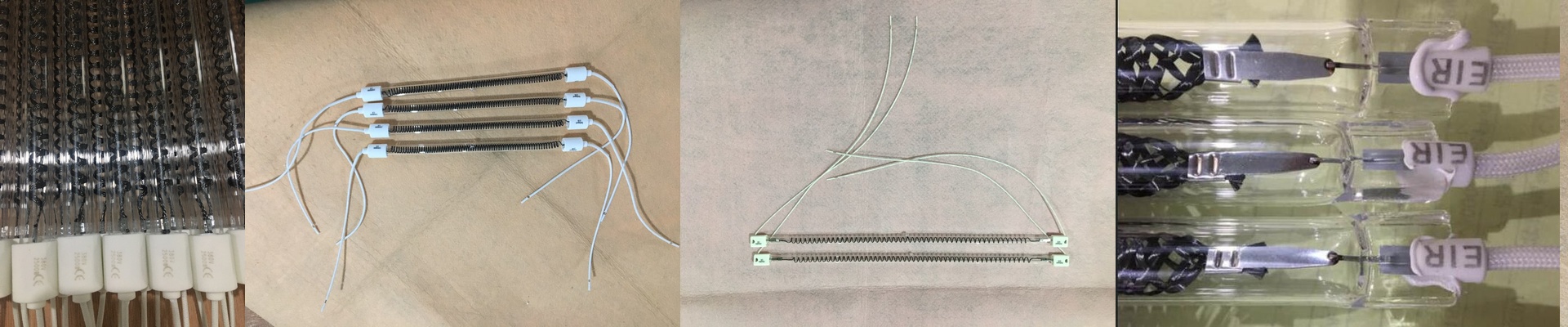
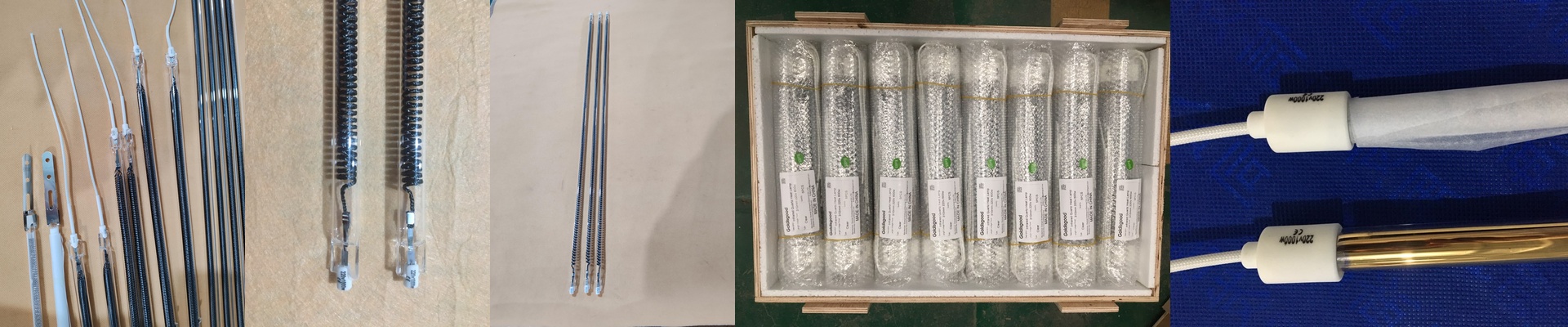
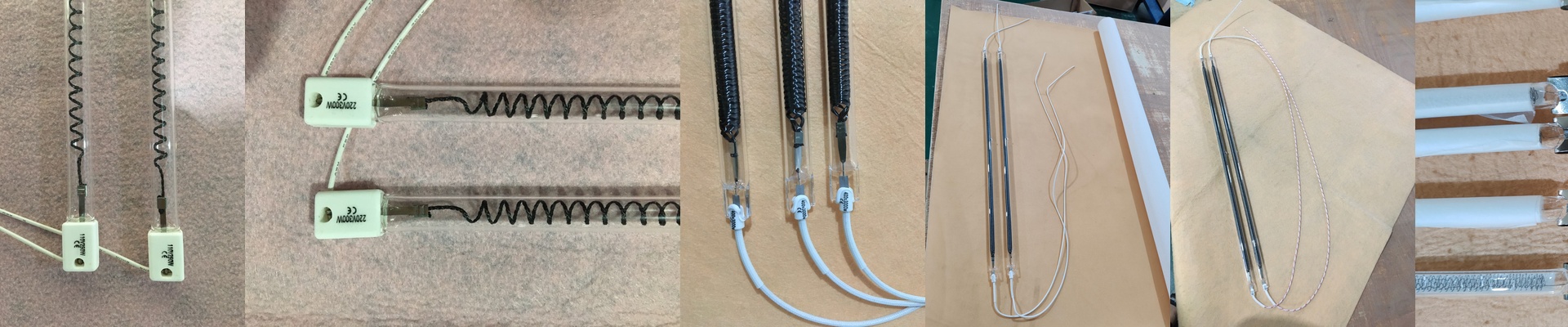
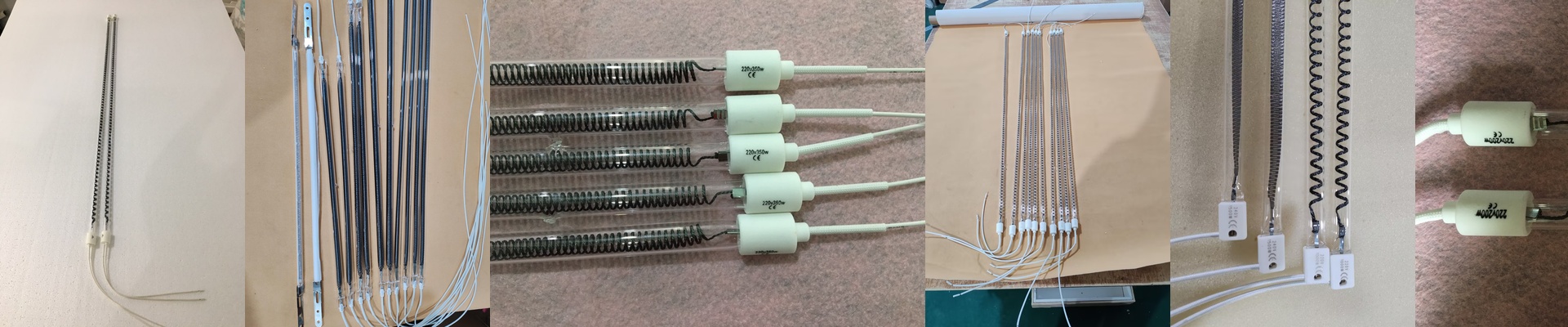
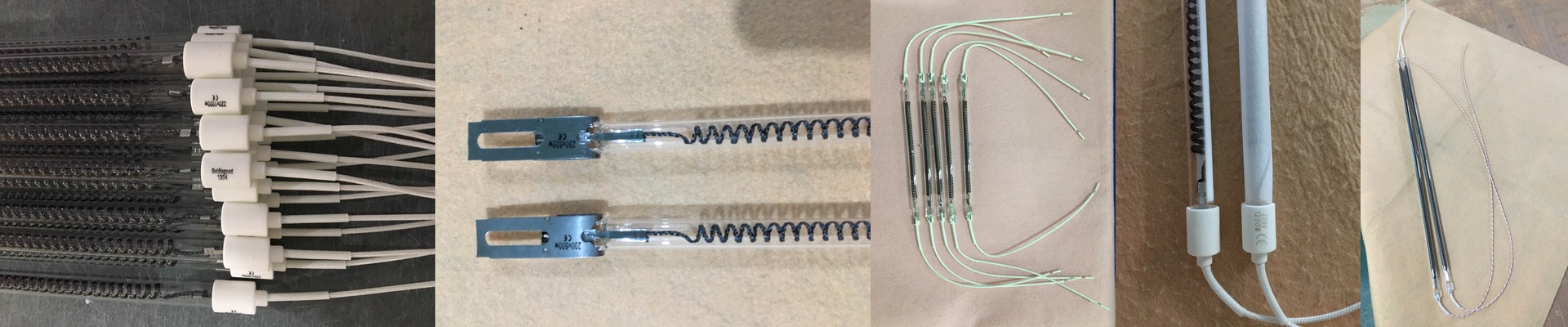
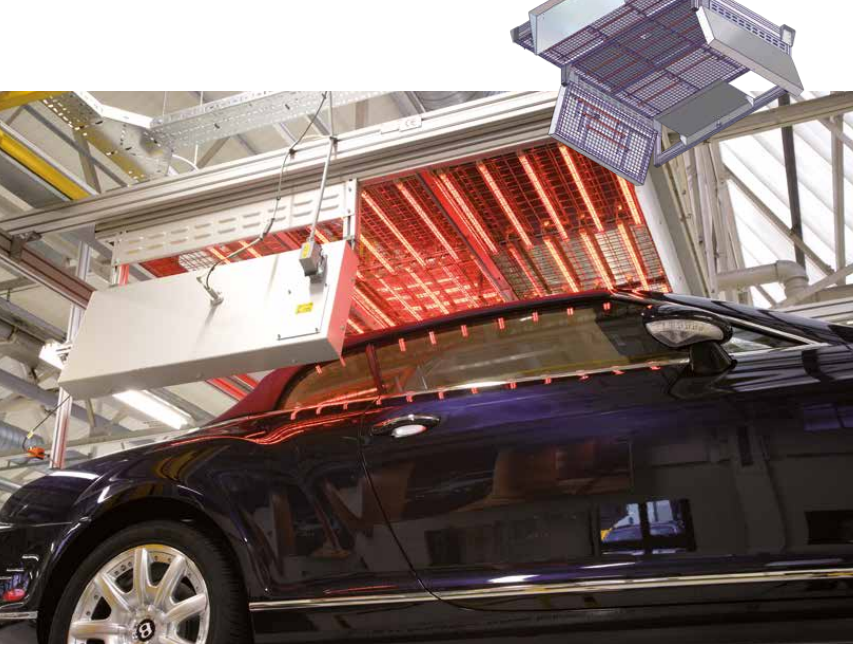
Think about a standard convection oven. It heats the air, and the air heats the part. It’s slow. It’s clunky. And it’s rarely precise. We do things differently. We use short-wave IR emitters split into independent zones. This means you can treat the leading edge, the center, and the trailing edge of the pad as three different projects. You can dial in the heat exactly where the part needs it most. You aren’t just chasing a number on a thermometer. You’re managing how the heat moves across the material. When the temperature is balanced, the material doesn’t fight itself. The part stays flat.
Getting Rid of the Stress
To stop the warping, you have to let the material relax. We handle this by carefully managing the ramp-up and the cool-down as the part moves through the line. By tapering the heat across those zones, the internal stress just… disappears. The result? Your dimensions actually stay where they’re supposed to be.
The Trade-offs (Because nothing is perfect)
Now, here’s the catch. Going with zonal IR control adds some weight to your setup. Your wiring gets a bit more crowded, and your PLC logic needs to be smarter. You’ll need a solid PID controller to keep those zones in check. And you have to be careful. IR is intense. It hits the surface hard, which means you can scorch the resin if you aren’t watching. I highly recommend using pyrometers to keep an eye on the surface temp in real-time. One last thing:watch your belt speed. If your conveyor fluctuates, the part spends too much or too little time in a zone. That shifts your dimensions. Keep that belt speed locked in, and you’re golden.