Getting Your IR Heating Walls to Actually Work
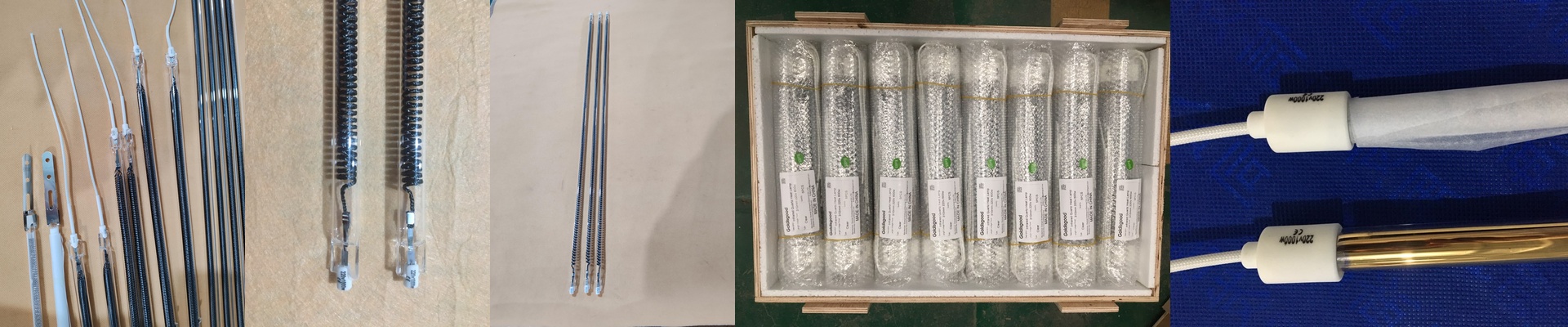
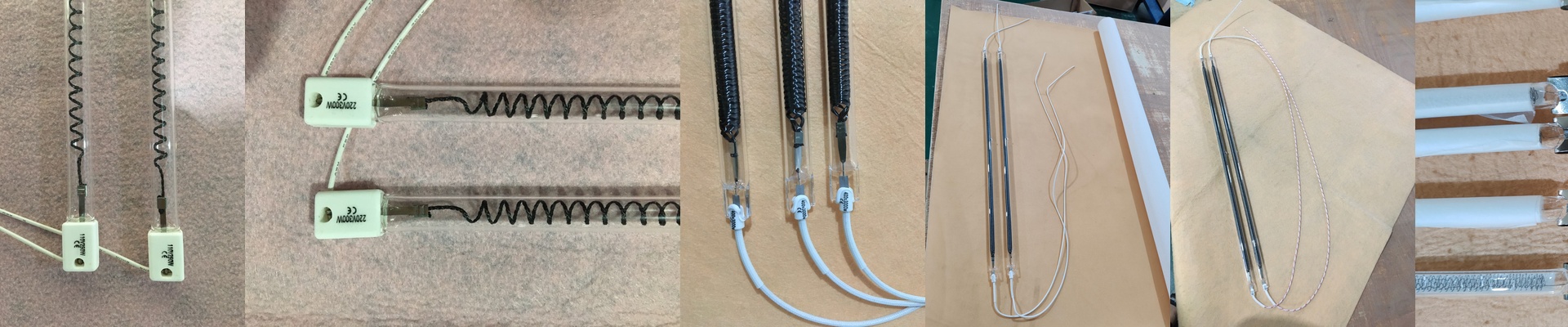
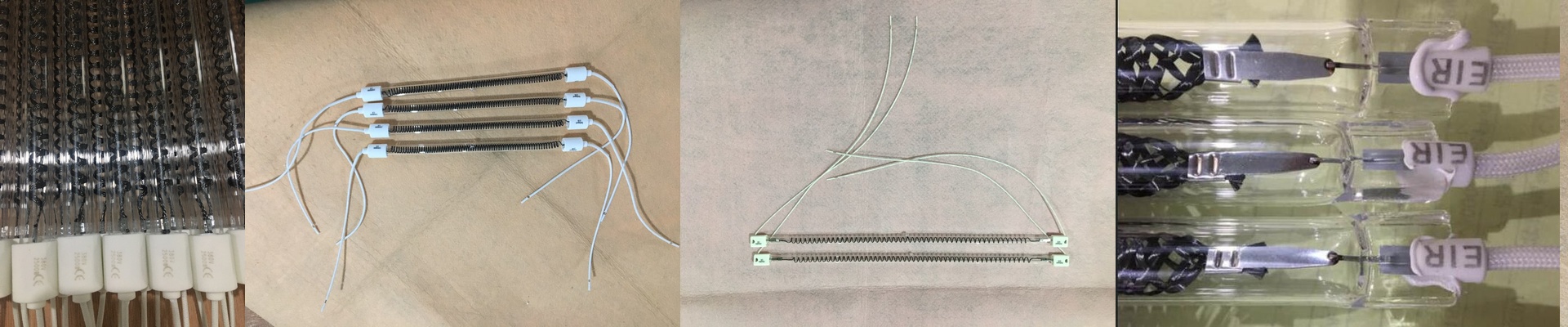
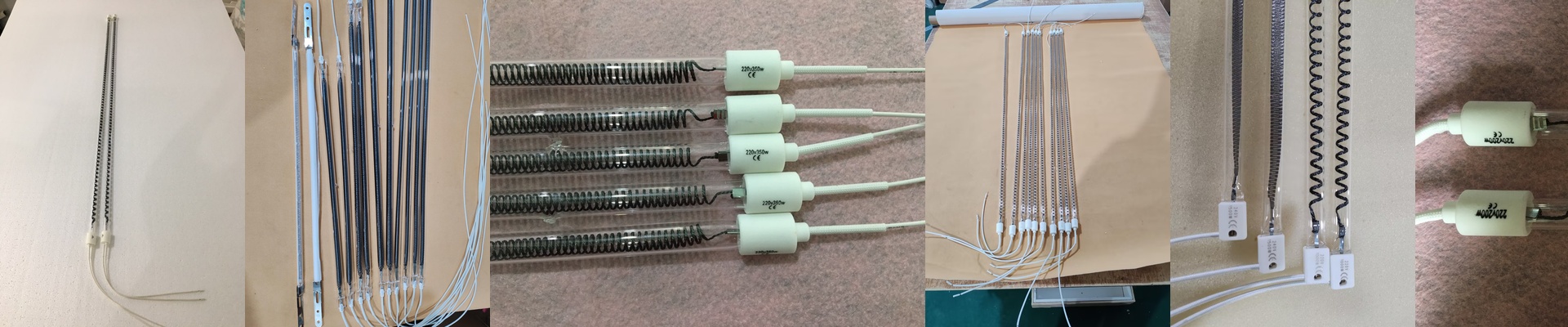
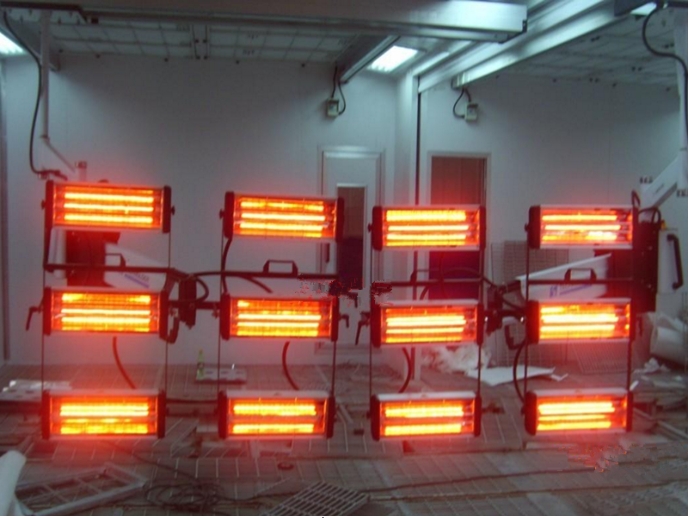
When you’re building heating walls for things like brake pads or car paint, the real headache isn’t getting the heat—it’s getting that heat to go where it’s actually needed. If you just slap your infrared lamps in an even grid, you’re asking for trouble. Your parts aren’t all the same size or weight. Some are chunky, some are thin. That leads to cold spots, uneven curing, and a pile of scrapped parts that cost you money. The vertical layout trick I’ve found that a “one size fits all” grid just doesn’t cut it. If you’re running a line with different vehicle models, you have to look at the thermal mass. A heavy-duty brake pad is a heat sponge compared to a smaller chassis part. The secret is to pack your lamps tighter in the zones where the bulk of the part sits. And remember: distance is everything. If a part sits just 100mm further back from the wall, the heat drops off a cliff. To stop this from ruining your day, we split the wall into independent banks. That way, if you’re running low-profile parts, you can just kill the power to the top rows. It stops the surface from scorching while the core is still curing. The trade-offs with IR lamps We usually go with shortwave IR because it punches through the material fast. Quartz tubes with high wattage are great for keeping the footprint small, but they come with a catch. They run hot. Really hot. If you cram 2500W into a short tube, those end-caps take a beating. You’ve got to make sure your ventilation is actually doing its job. If you can’t pull that ambient heat away from the wiring and connectors, things will start to melt and burn out. Setting it up for the long haul I always wire these systems with independent PID controllers for each vertical zone. It’s a lifesaver. It means you can tweak the heat profile on the fly when you switch product runs without tearing the whole thing apart. One last tip: match your lamp length to the conveyor width. Don’t leave gaps. If the lamps are too short, the edges of your pads won’t cure. Get that spacing right from the start. Otherwise, you’ll spend the next few months fighting uneven shrinkage and wondering why your parts are warping.