Dealing with Spring-Back in Automotive Interiors
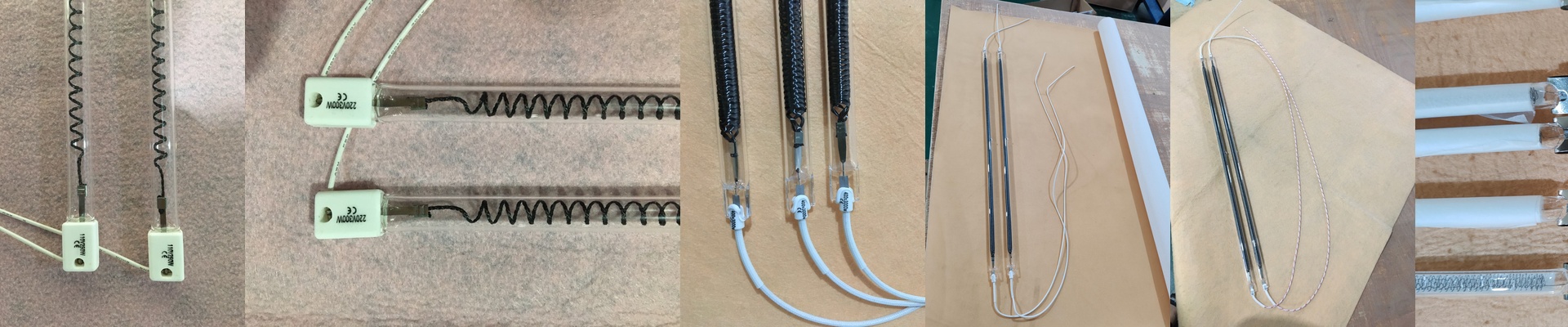
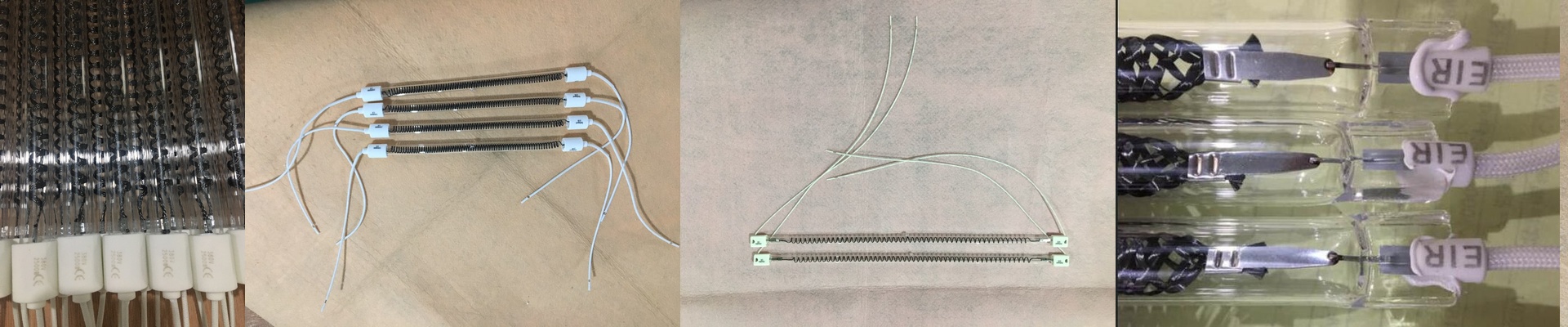
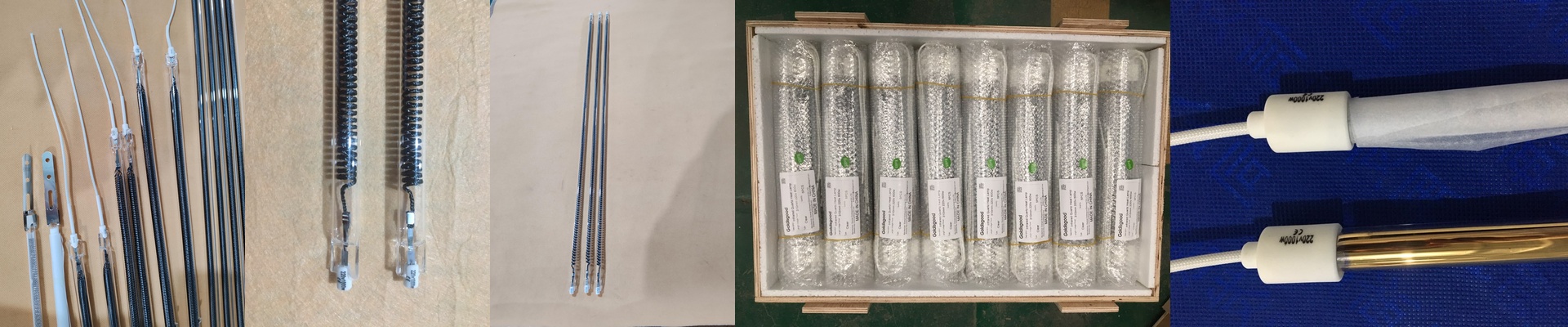
Ever pull a part off the line only to watch it warp right in front of you? It’s frustrating. You’ve done the work, but because the heat didn’t hit the material evenly, you’re left with internal stresses that make the part “spring back” and ruin your dimensions. The fix isn’t more heat. It’s smarter heat. We use zoned infrared emitter arrays to actually control the temperature map across the surface of the part.
Why “Uniform Heating” is a Lie
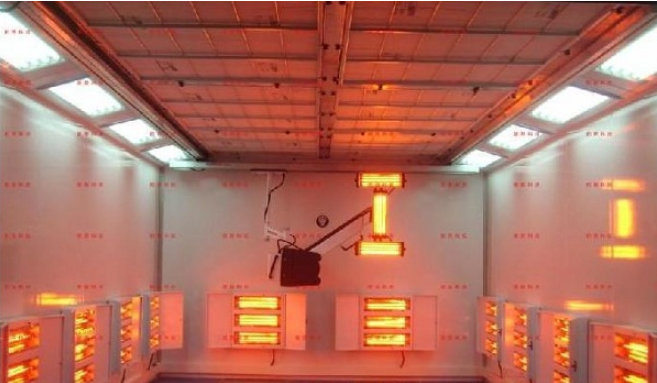
If you’re working with a dashboard or a door panel, you know they aren’t flat slabs of plastic. They have curves, dips, and areas where the material is thicker than others. Trying to heat the whole thing the same way just doesn’t work. That’s where multi-zone IR control comes in. By splitting the emitter bank into separate electrical circuits, you can dial in the wattage for specific areas. You can blast the high-stress spots while keeping the thinner sections cool enough that they don’t deform. No more “hot spots” that thin out your material, and no more “cold spots” that leave the part half-formed. Once the whole piece hits that sweet spot—the glass transition temperature—the stress just vanishes.
Keeping Things Stable
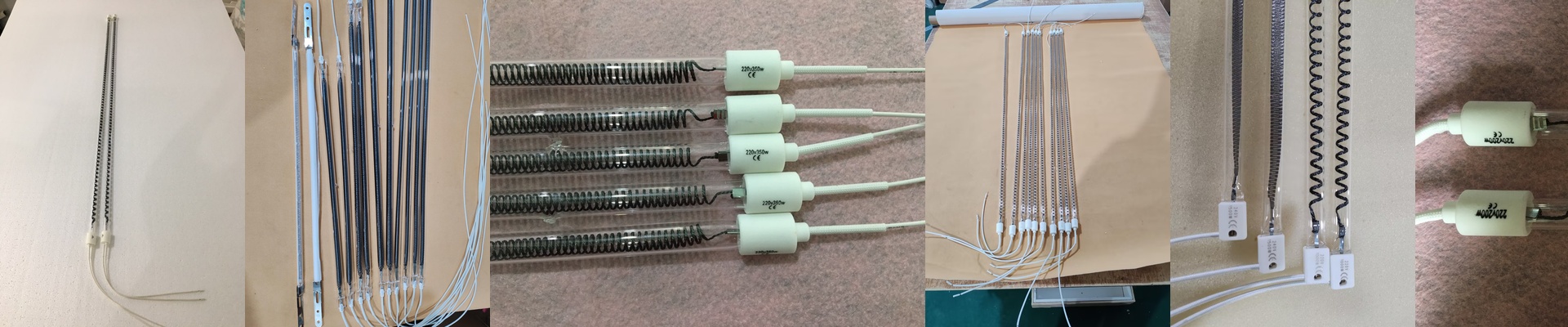
Getting the heat right is only half the battle. How you cool the part is what actually locks those dimensions in. If you crash the temperature too fast, you get thermal shock. We like to use a PID controller to ramp the temperature down gradually. It’s a smoother transition. One heads-up, though: these high-density IR arrays put off a ton of heat. If you aren’t careful, that heat soaks right into the machine frame. If the frame expands, your tooling alignment goes out the window. Make sure your cooling fans or water jackets are beefy enough to handle it.
Making it Work on the Shop Floor
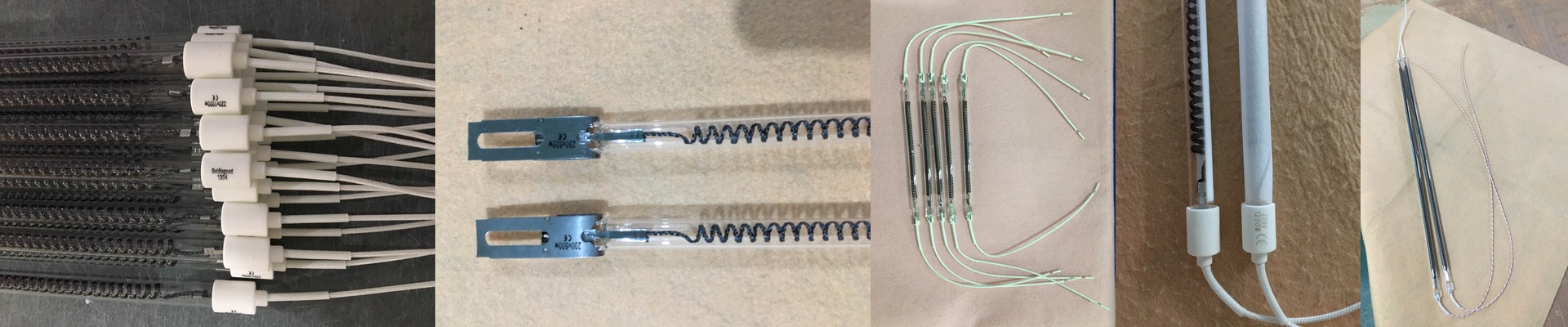
The best way to set this up is to wire your emitters into separate SCR power controllers. This is the best part: it lets you tweak the heat map in real-time while you’re running trials. You can literally watch the part and adjust the power until the spring-back disappears. Once you nail the profile, you lock those settings in and move to mass production. It takes the guesswork out of the process and turns it into something you can actually repeat every single time.