Stop Wasting Floor Space on Your Curing Tunnels
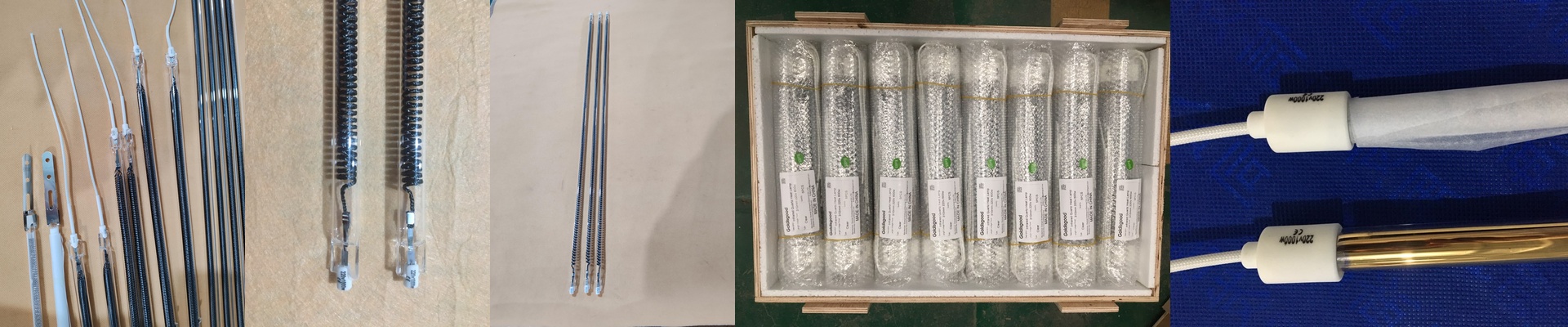
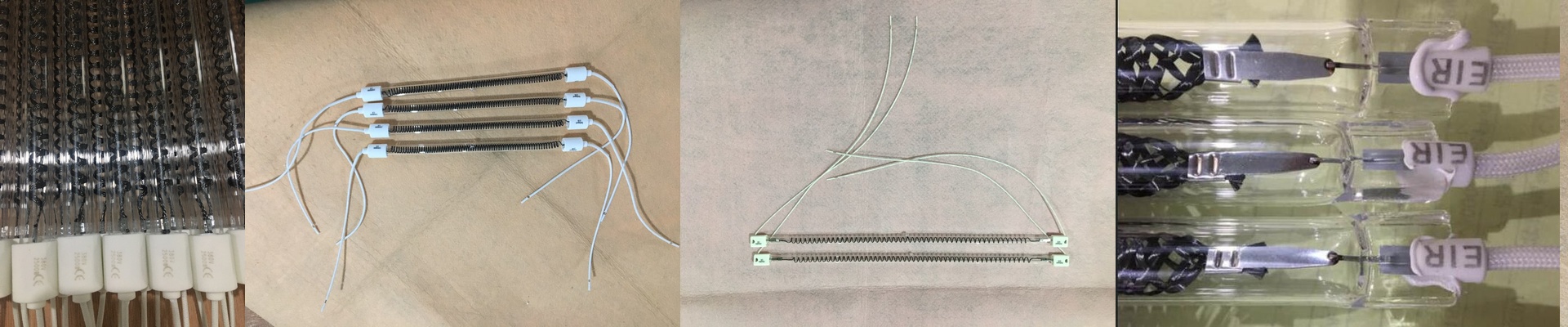
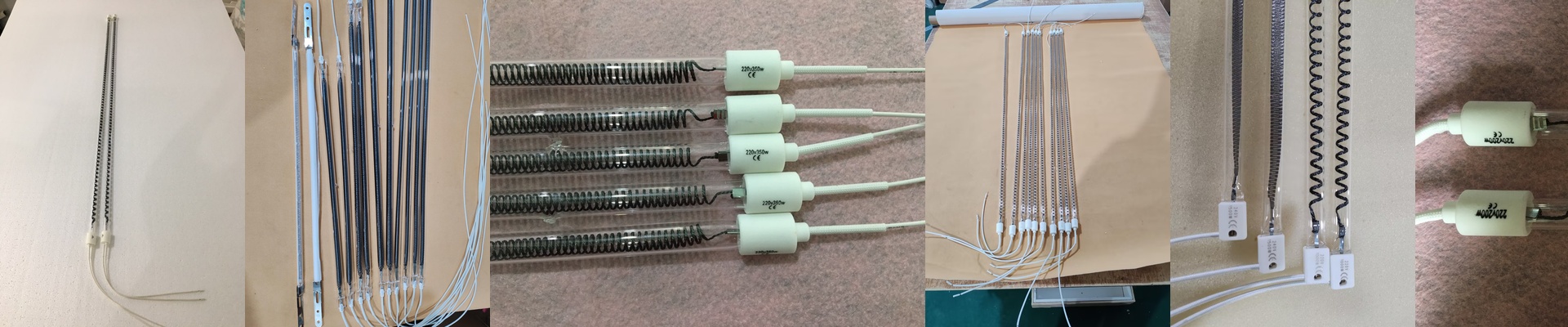
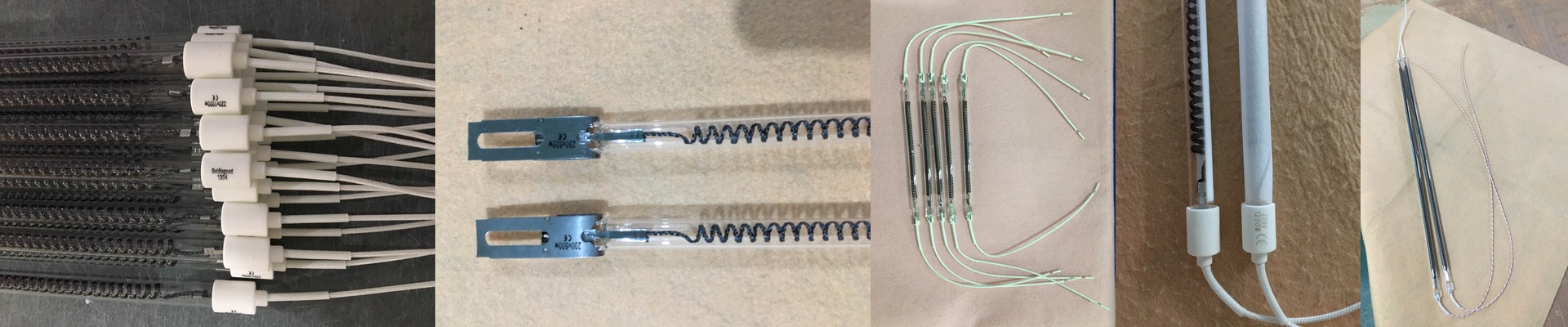
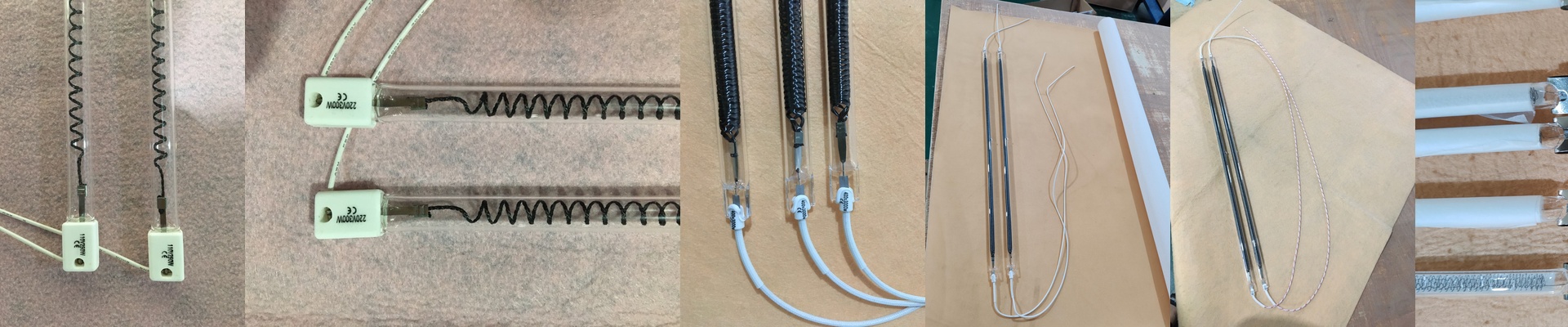
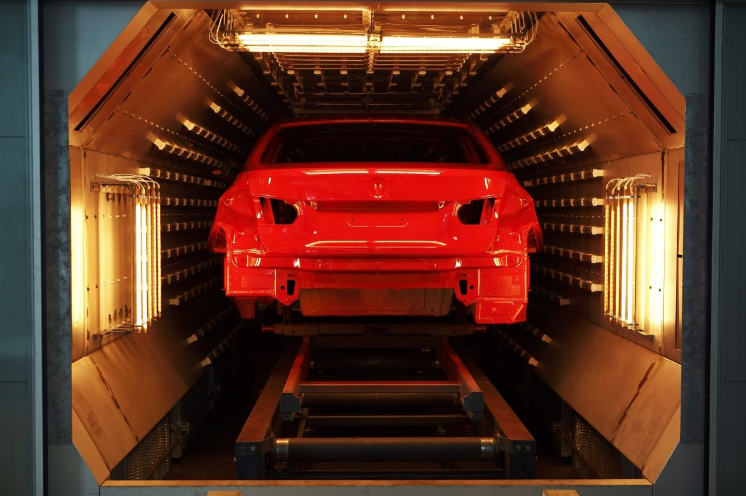
If you’ve ever walked through a brake lining plant, you know the drill. Those convection ovens are absolute monsters. They take up half the factory floor because they need massive tunnel lengths just to make sure the core of the material actually gets hot enough to cure. It’s slow, it’s bulky, and it kills your throughput. We do things differently. We use shortwave quartz infrared (IR) heaters. Instead of heating up the air and hoping it eventually reaches the material, we shoot energy directly into the coating. It’s a shortcut. Here is why it works: Shortwave IR hits at a higher frequency, so the heat doesn’t just sit on the surface. It digs deep into the substrate immediately. You aren’t waiting around for heat to crawl inward through conduction. The ramp-up is incredibly fast. In real terms? You can probably chop 30% to 50% off your tunnel length and still get a perfect cure without any sketchy under-cured patches. The Gear We use high-purity quartz glass because it can handle the shock of rapid heating and cooling without cracking. These tubes are built for high-watt density to keep your surface temperatures steady. One quick tip: if you’re plugging these into a high-volume line, double-check your power supply. Keep it stable. A sudden voltage spike is the fastest way to fry a filament, and nobody wants that downtime. Plus, we make these in different lengths and wattages. Most of the time, they just slide right into the racks you already have, replacing those old, tired electric elements. The Honest Truth Now, IR isn’t magic. It’s directional. If your linings are stacked or have weird, irregular shapes, you’re going to run into “cold spots” where the heat just can’t reach. You have to be smart about your reflector angles to bounce that heat into the recessed areas. And since the heat density is so high, keep an eye on your hardware. Your conveyor bearings and seals need to be rated for higher temperatures, or they’ll wear out way faster than you’re used to.