Stopping the Cracks: A Real-World Look at Brake Lining Curing
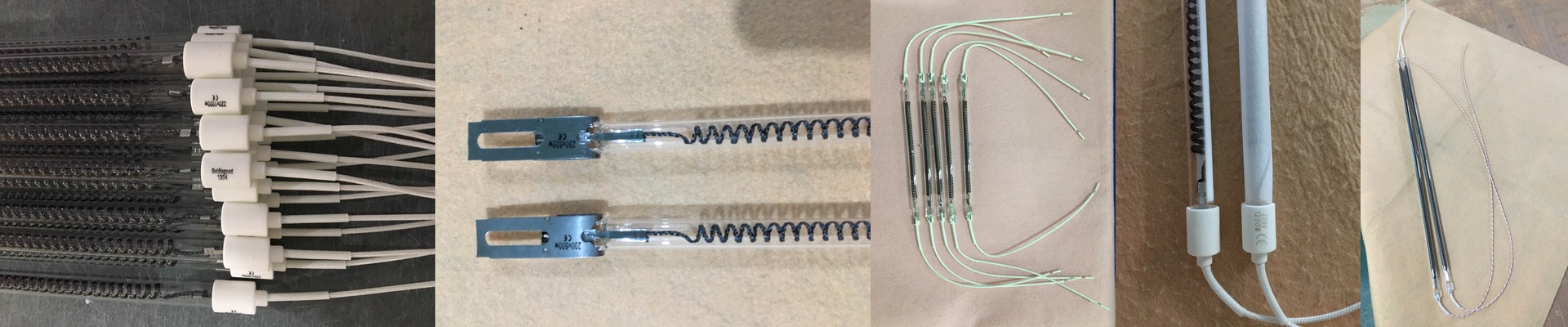
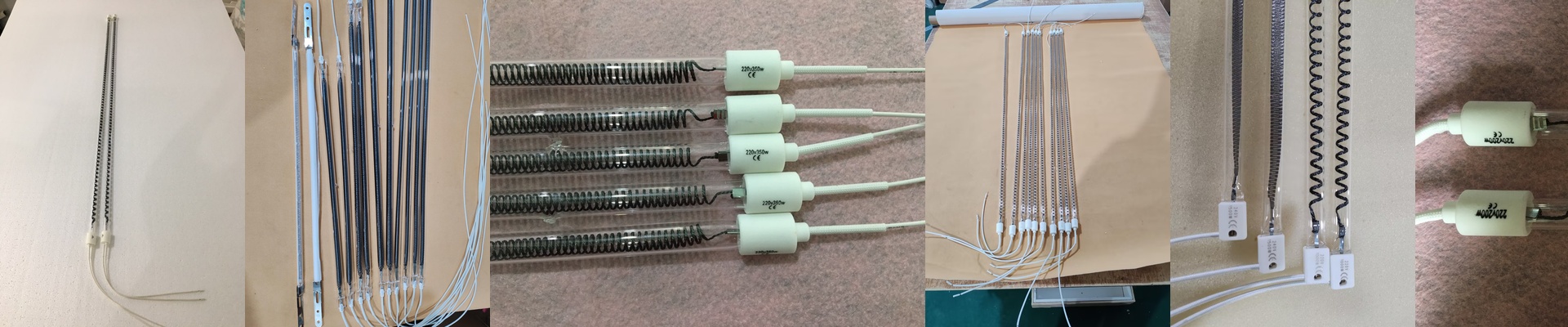
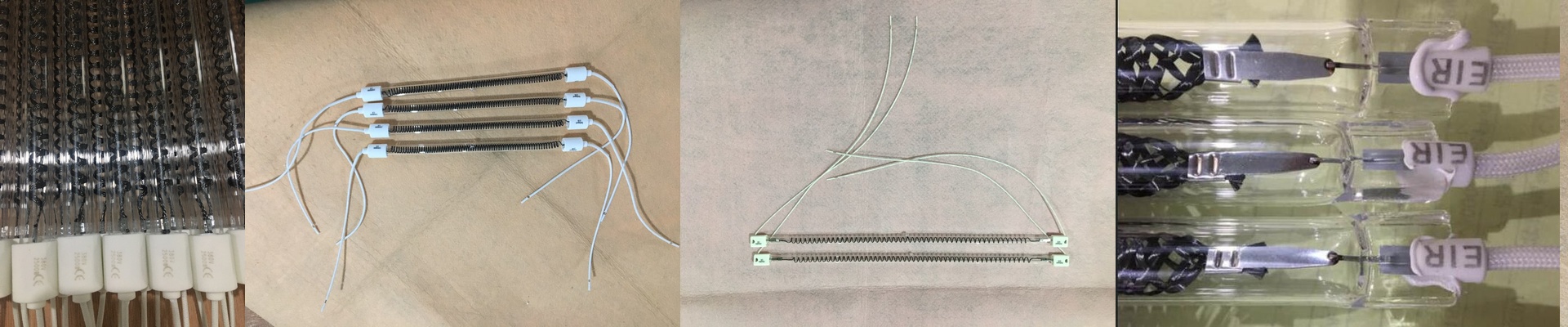
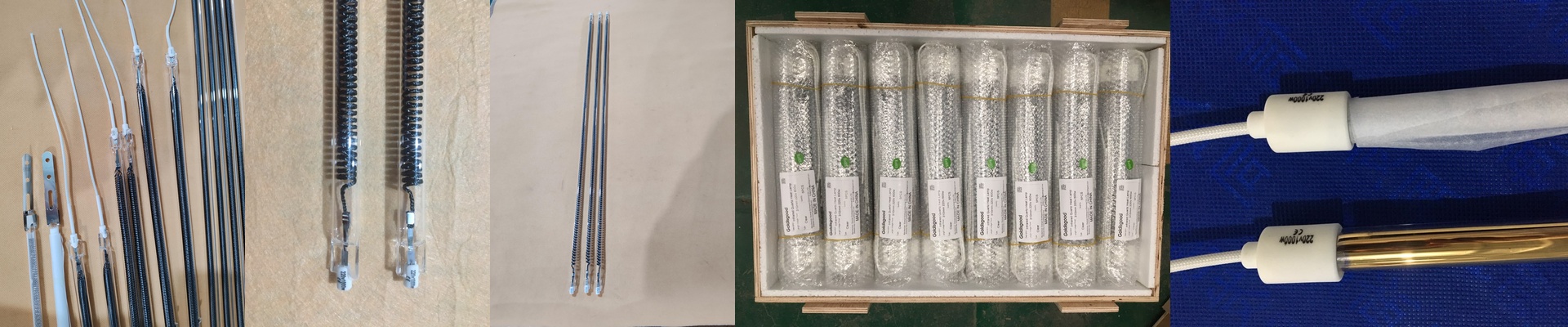
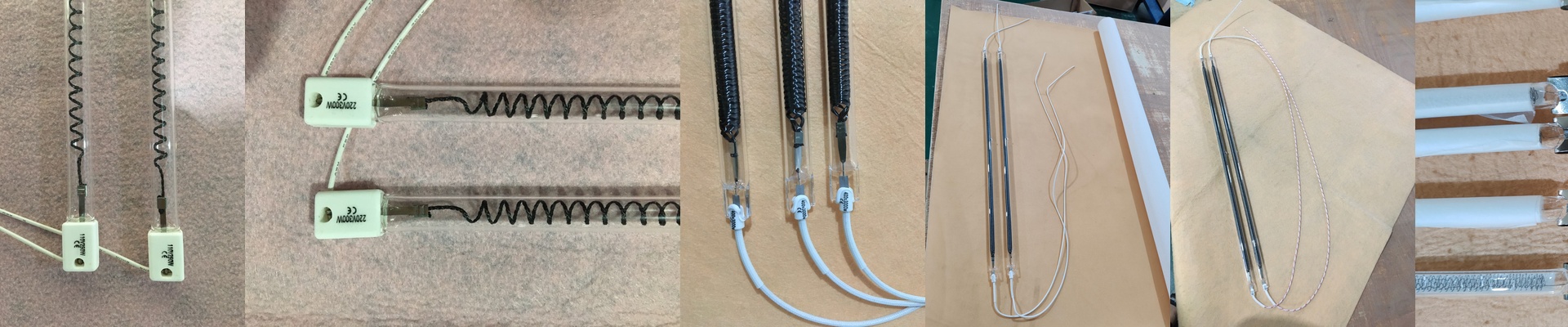
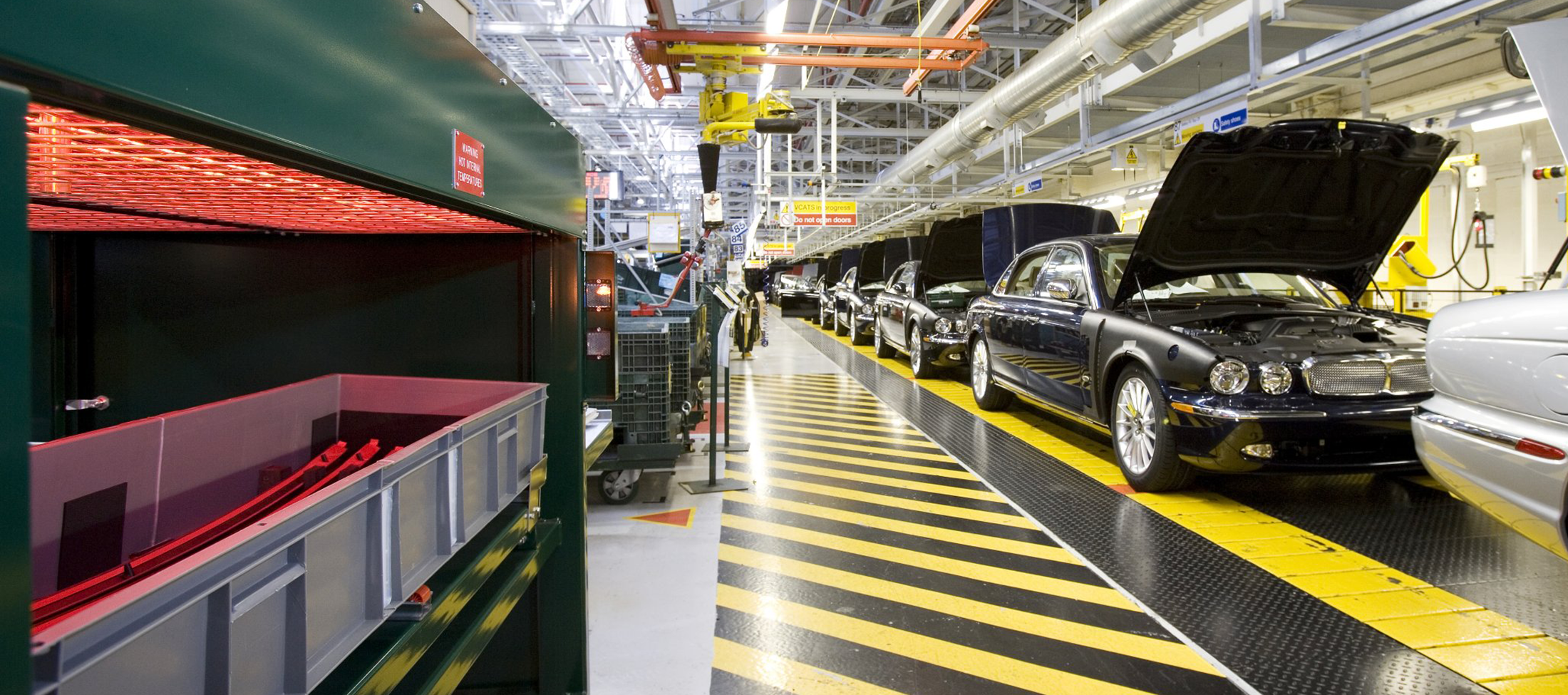
Curing brake linings is a bit of a balancing act. If you crank up the heat too fast, the phenolic resins panic. Volatile gases get trapped inside because they can’t escape quickly enough, and that’s how you end up with internal voids and ugly surface cracks. We deal with this using short-wave infrared (IR) lamps. It’s all about controlling how deep the heat goes and how fast it gets there. Getting the heat right To keep those cracks away, you need the temperature to climb steadily—not in a sudden spike. We spend a lot of time dialing in the wattage and voltage of the IR lamps so the heat flux doesn’t overshoot. The trick is using high-density IR emitters. They let us hit the lining surface directly without soaking the metal backing plate too deeply. If the plate gets too hot too fast, it expands at a different rate than the friction material, and the two simply rip apart. But you can’t just blast it with power. If you push too many watts into a small area, you’ll char the surface while the core is still raw. Here’s how we handle it: a staged profile. Start low to gently push out the moisture, then ramp it up to the actual curing temp. Why the hardware matters We stick with high-purity quartz tubes. Why? Because they can take the thermal shock of rapid cycling without snapping. These lamps react fast. The second your PID controller cuts the power, the heat drops. No lingering heat, no “overshoot,” and no thermal cracking. And we don’t mess around with the connectors. We use heavy-duty terminals because, in a real shop, things vibrate and heat up. Cheap connectors oxidize or shake loose; these don’t. The trade-offs Now, short-wave IR is fast. Really fast. But it doesn’t dive as deep into the material as medium-wave does. If you’re working with exceptionally thick pads, you might run into a problem where the outside looks perfect—a nice, cured skin—but the center is still raw. When that happens, you’ve got two choices. You can either let the pads dwell longer or add more heating zones. It’s all about making sure the core hits the right temperature without scorching the exterior.