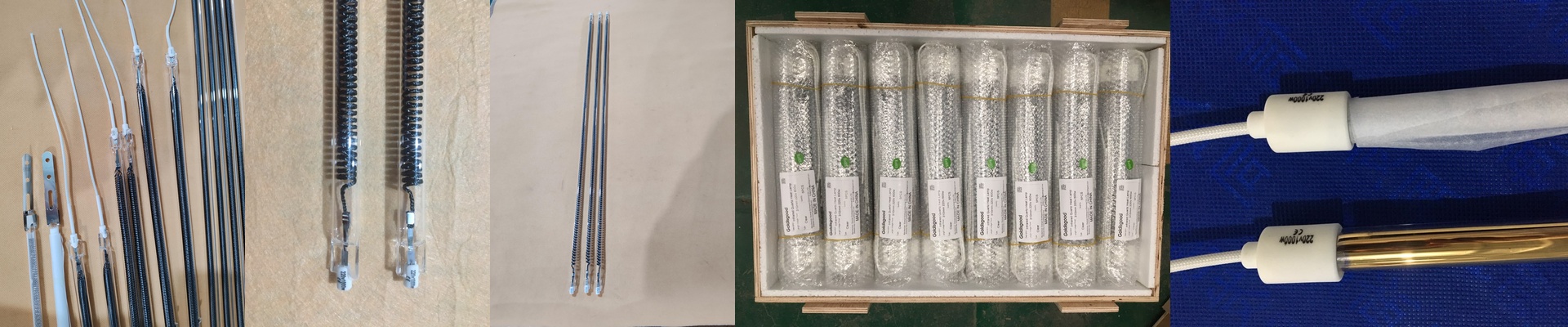
Dealing with the Headache of Different Brake Pad Sizes in IR Heaters
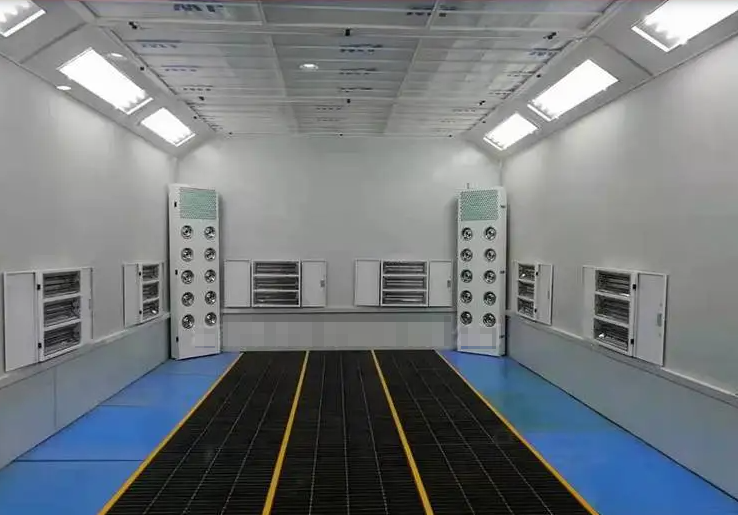
If you’re running a brake pad coating line, you know the struggle. You need the resin to cure perfectly, but if you push it too hard, you scorch the friction material. It’s a delicate balance. The real nightmare starts when your parts aren’t all the same size. If you use a standard, fixed-grid heating wall, you’re stuck. You end up with cold spots on the small pads and hotspots on the big ones. It’s frustrating, and it ruins your quality. Getting the heat where it actually belongs We’ve found a better way. Instead of just spreading the lamps out evenly, we cluster them based on the parts you actually run the most. For the high-volume lines, we go with a zoned setup. The beauty of this is that you can wire the zones independently. Running a batch of small pads? Just kill the power to the top lamps. It keeps the oven from overheating and saves you a lot of stress. We stick with shortwave IR because it hits the coating fast. But here’s the catch: when you pack lamps in tight, the oven chassis gets incredibly hot. If you don’t get your ventilation and cooling fans right, you’re going to fry your wiring. Trust me, you don’t want to deal with that mid-shift. Building it to last The frame has to be rock solid. If it bows or warps under the heat, your lamp-to-part distance shifts. Even a tiny 10mm gap can drop your surface temperature by several degrees. That’s the difference between a perfect cure and a rejected part. And please, for the love of everything, use slide-in mounting brackets. When a lamp inevitably pops, you want to be able to swap it out in seconds. Nobody wants to tear down an entire wall while production is screaming for more parts. The trade-off There’s always a give and take. If you tighten the lamp spacing, you get more heat density, which means you can speed up the line. Great, right? Well, the downside is that the lamps don’t last as long because they’re running hotter. We usually find the sweet spot by tuning the wattage per linear meter to match how fast your conveyor is actually moving. It’s all about finding that middle ground.