Stop the Drift: Keeping Your Brake Pad Curing Consistent
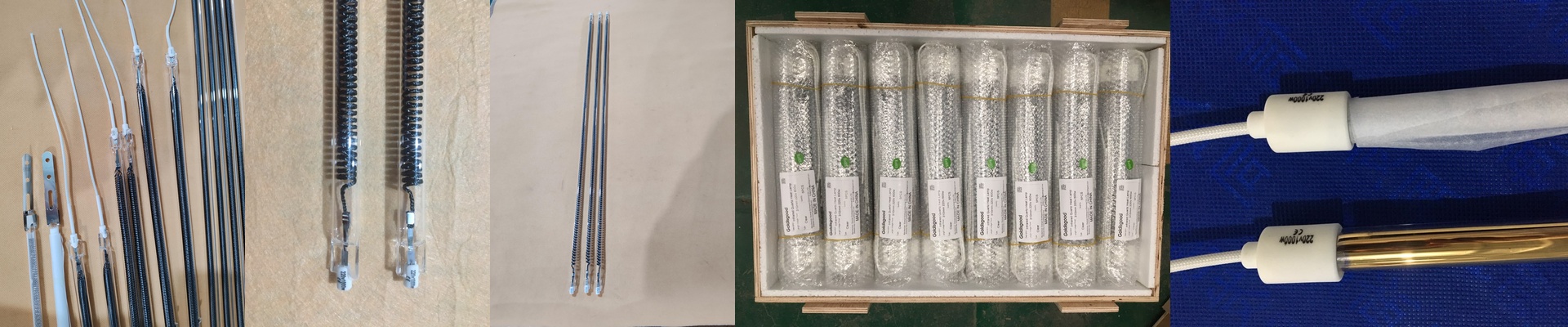
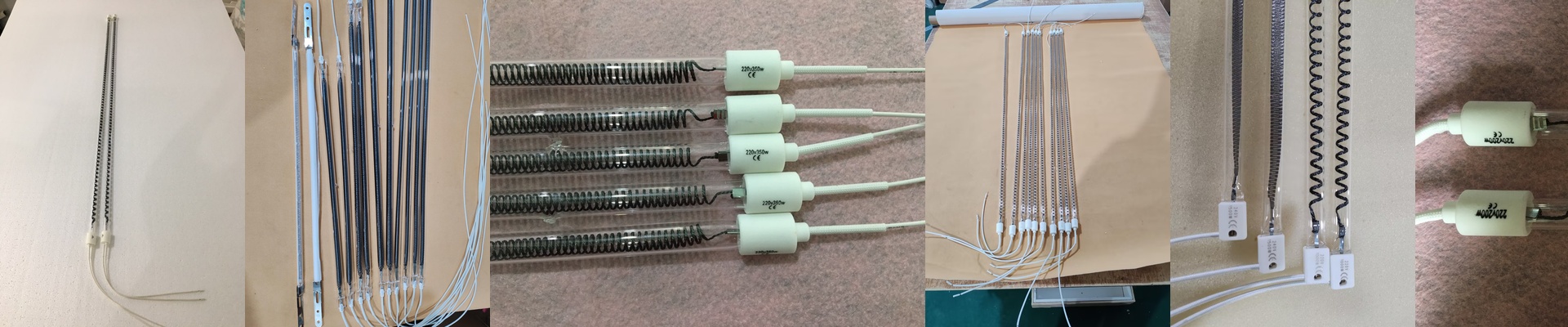
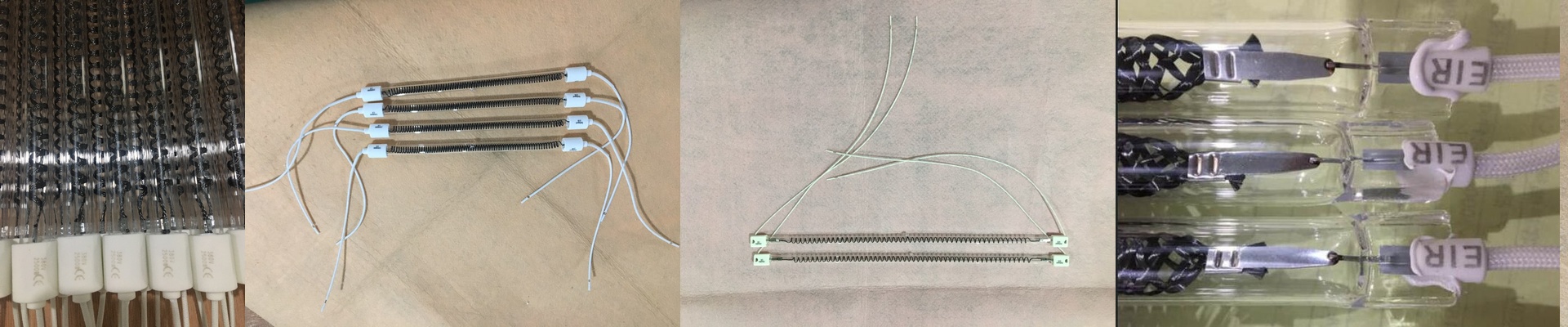
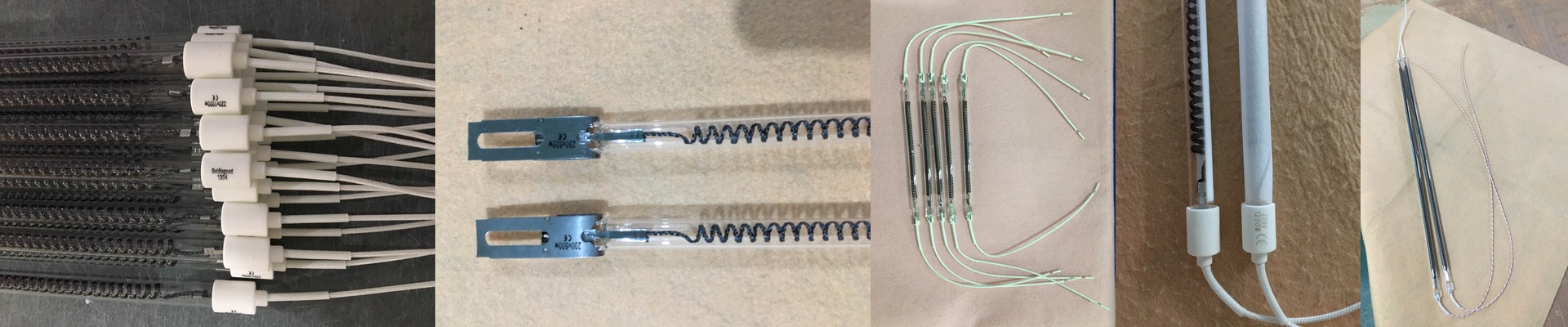
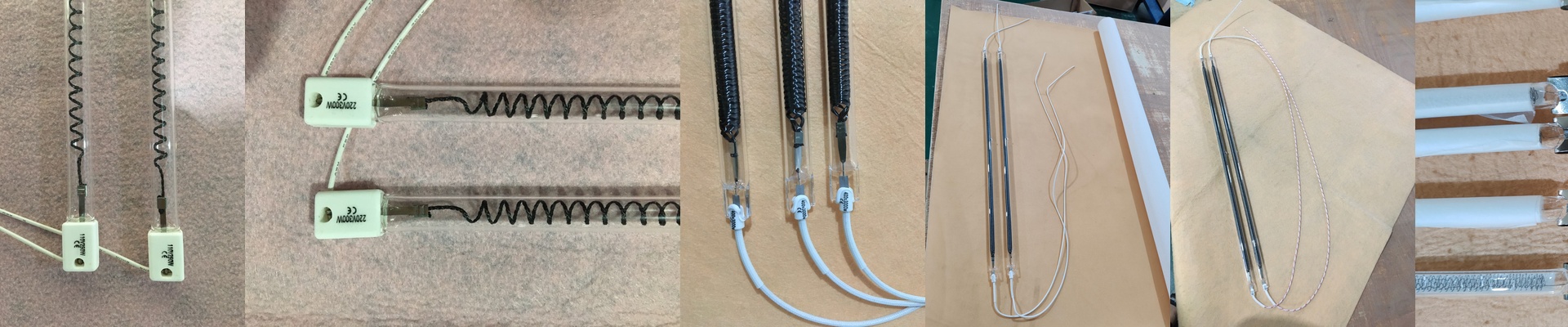
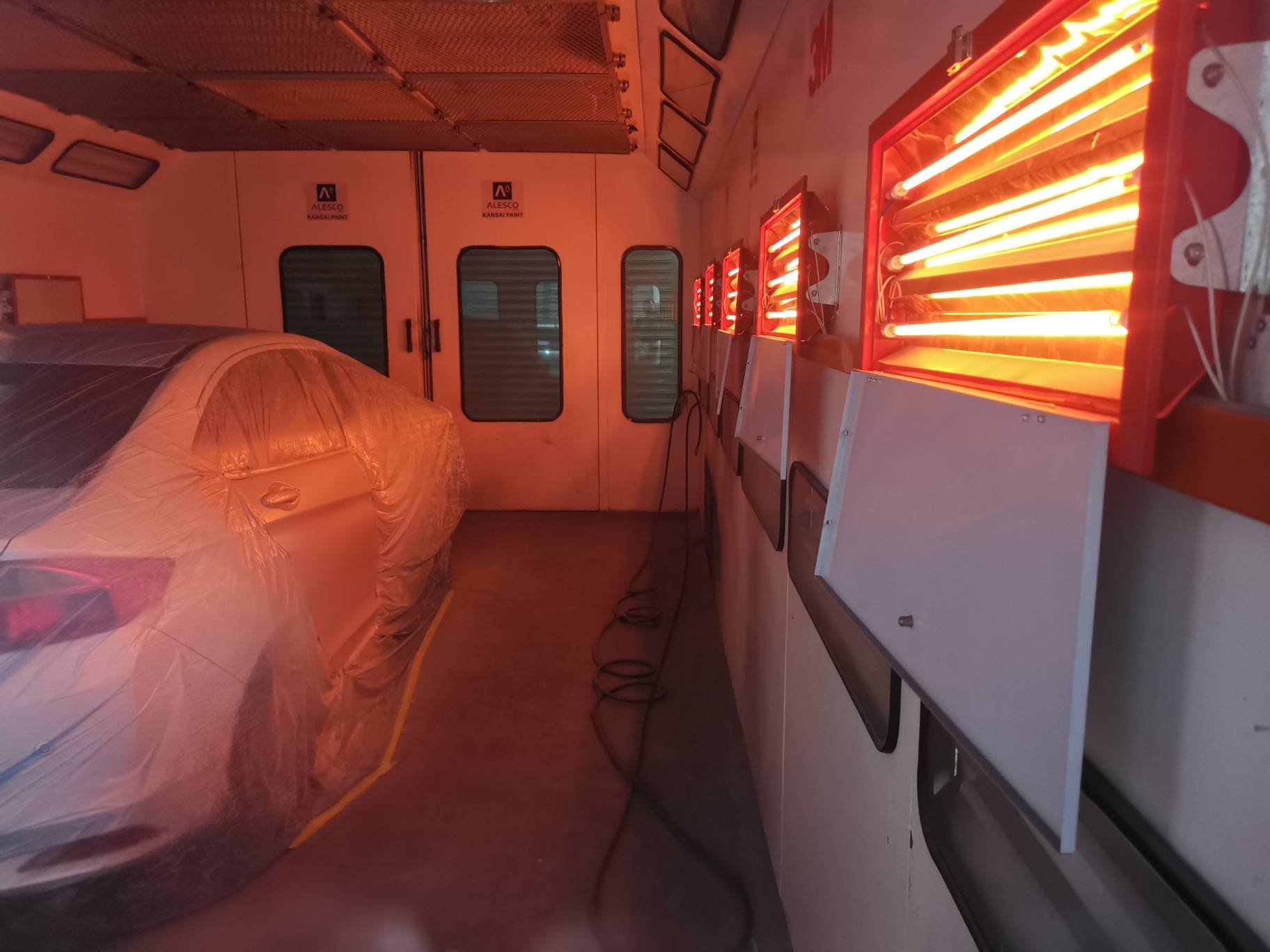
If you’re making brake pads, you know the drill. You need the moisture gone and the resin cured exactly right. If your infrared modules start drifting in power, you’re in trouble. You end up with uneven curing, which usually means warped pads or, worse, parts that just fail on the road. We build our IR modules to stop that from happening. The goal is simple: the heat you have at hour one should be the exact same heat you have at hour twenty-four. No dips, no surprises. Why the power drifts (and how we fix it) Usually, power fluctuates because filaments expand when they get hot or you get voltage drops across the line. It’s a headache. We deal with this by using high-grade quartz envelopes and filaments that are wound with a lot of precision. These materials can handle the brutal heat-soak of a 24/7 production cycle without the resistance shifting. When the resistance stays flat, the wattage stays flat. It just works. Fitting it all in Space is always a premium on the factory floor. We design these modules to fit into tight spots, but we’re careful about how we space the emitters. We want that heat to soak deep into the brake pad material, not just hit the surface. One thing to keep in mind: high-density IR output lets you use shorter tunnels, which is great for your footprint. But it puts a lot of pressure on your electrical panels. Just make sure your power supply can handle the peak load. If it can’t, you’ll get voltage sags, and your lamps will start to flicker. Keeping things running We use industrial-grade connectors because oxidation is a silent killer. Most of those “ghost” power drops people see in the field? They’re usually just loose or corroded terminals. Now, while these modules are tough, the quartz glass is still glass. It’s fragile. I always suggest using a rigid mounting frame. You don’t want the vibration from your conveyor line shaking the tubes until they crack. Keep your reflectors clean, wire it up right, and these things will give you thousands of hours of steady heat before you even have to think about swapping them out.