Stopping the “Bounce-Back” in Car Interiors
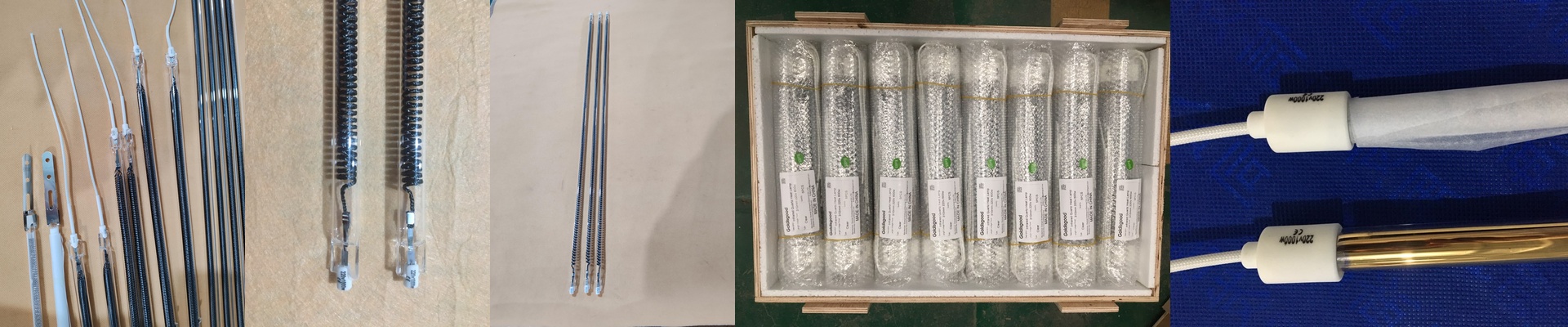
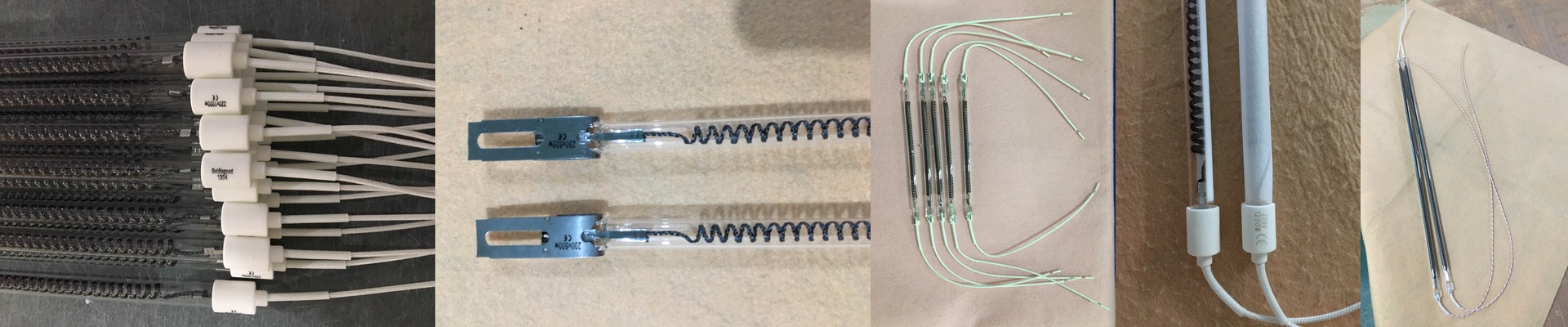
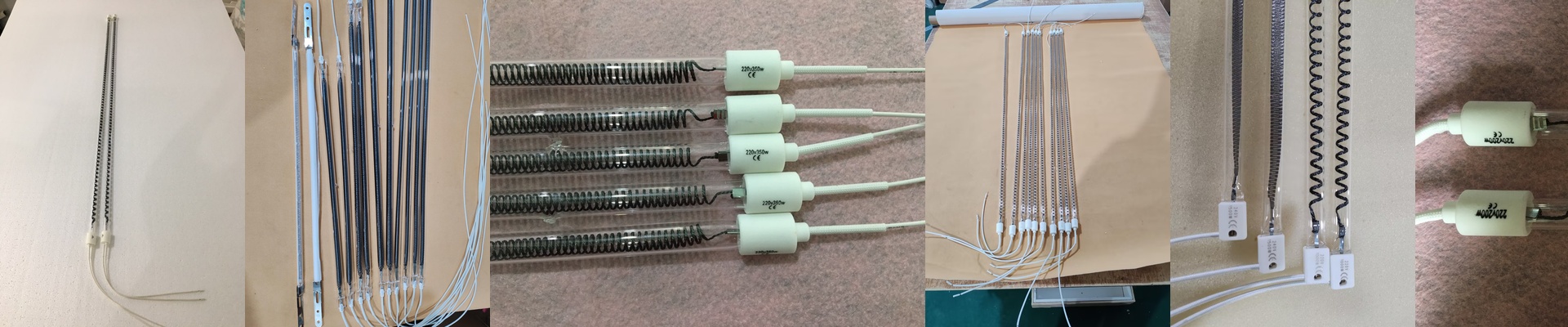
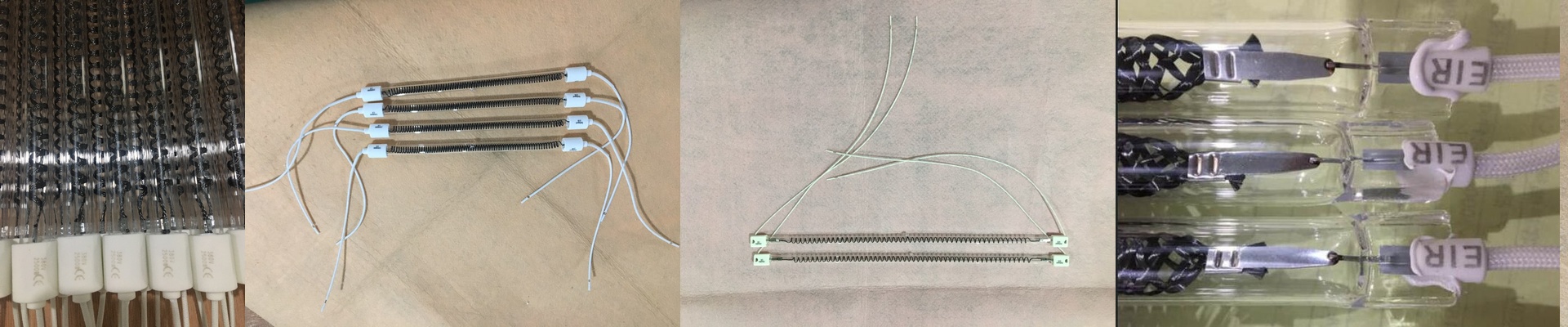
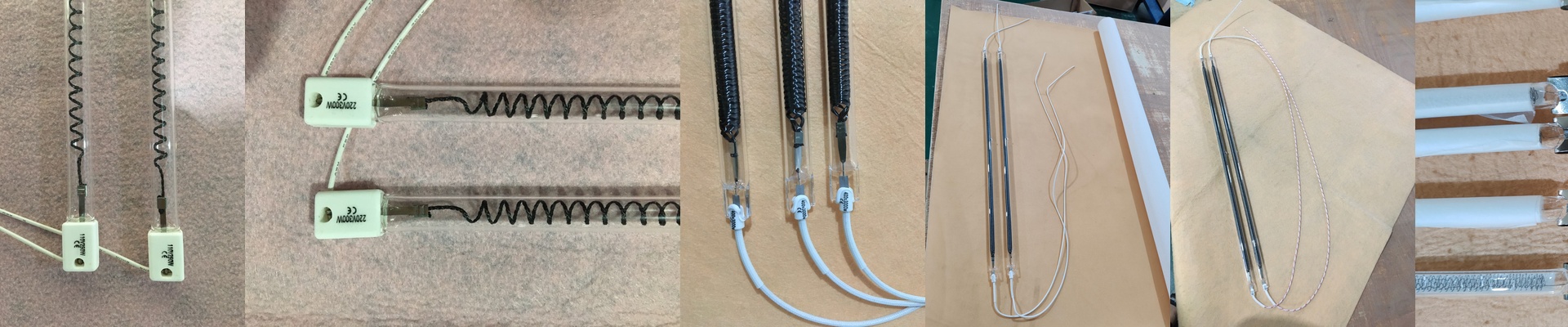
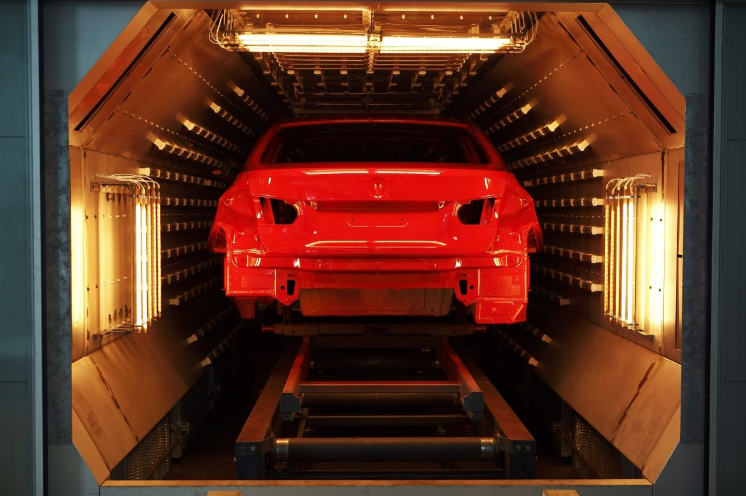
Ever pull a part out of a thermoforming mold, think it looks perfect, and then watch it warp the second it hits the conveyor? It’s frustrating. That “spring-back” happens because the material is basically fighting itself—internal stresses are trapped inside while the part cools, and they eventually win. We stopped fighting this by ditching the “one-size-fits-all” oven approach and moving to infrared (IR) zonal control. Why zones matter Here’s the thing: your parts aren’t uniform. You’ve got thick chunks of plastic in some spots and thin edges in others. A standard oven treats them all the same, but thick sections hold onto heat way longer. That temperature gap is what causes the warping. By splitting the heating into different zones, we can push more energy into the heavy areas and dial it back on the thin walls. We use short-wave IR emitters because they actually sink deep into the material. It gets the core to the right temperature without burning the surface. Letting the stress out The secret to a part that actually stays put is how you let it cool down. We use a stepped temperature profile. The first zone hits that peak forming heat, but the zones after that act like a slow ramp. It’s basically a controlled way of relaxing the polymer chains so they don’t lock in a strained position. If you skip this step, the part looks great in the mold—right up until it doesn’t. The trade-offs Now, this isn’t just “plug and play.” It adds a bit of a headache to your wiring and PLC logic. You’re not just flipping a switch anymore; you’re managing a handful of PID loops. And be careful with your gear. Those high-density IR arrays put out a ton of radiant heat. If you aren’t using high-temp thermocouples and positioning your cooling blowers just right, you’ll fry your electronics pretty quickly. But once you get those settings dialed in? The parts actually fit the assembly jig. Every single time.