Stop the Cracking: A Better Way to Cure Brake Pads
Curing brake pads is a bit of a balancing act. If you hit that phenolic resin with too much heat too quickly, the gases inside basically panic. They try to escape all at once, which leaves you with a pad full of tiny holes and those annoying surface cracks. I’ve found that shortwave infrared (IR) emitters are the way to go here. Why? Because you can control the energy ramp-up down to the millisecond. It’s a lot more precise.
Getting the Heat Right
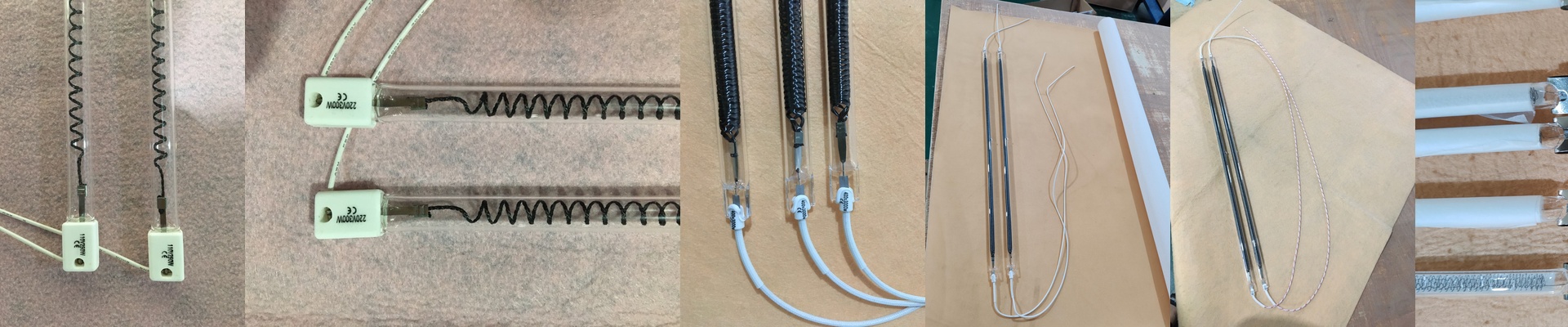
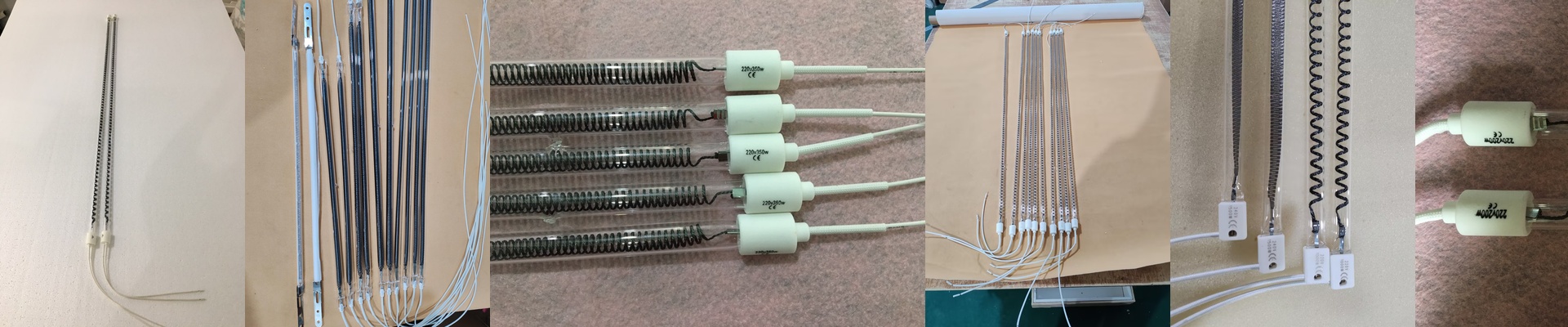
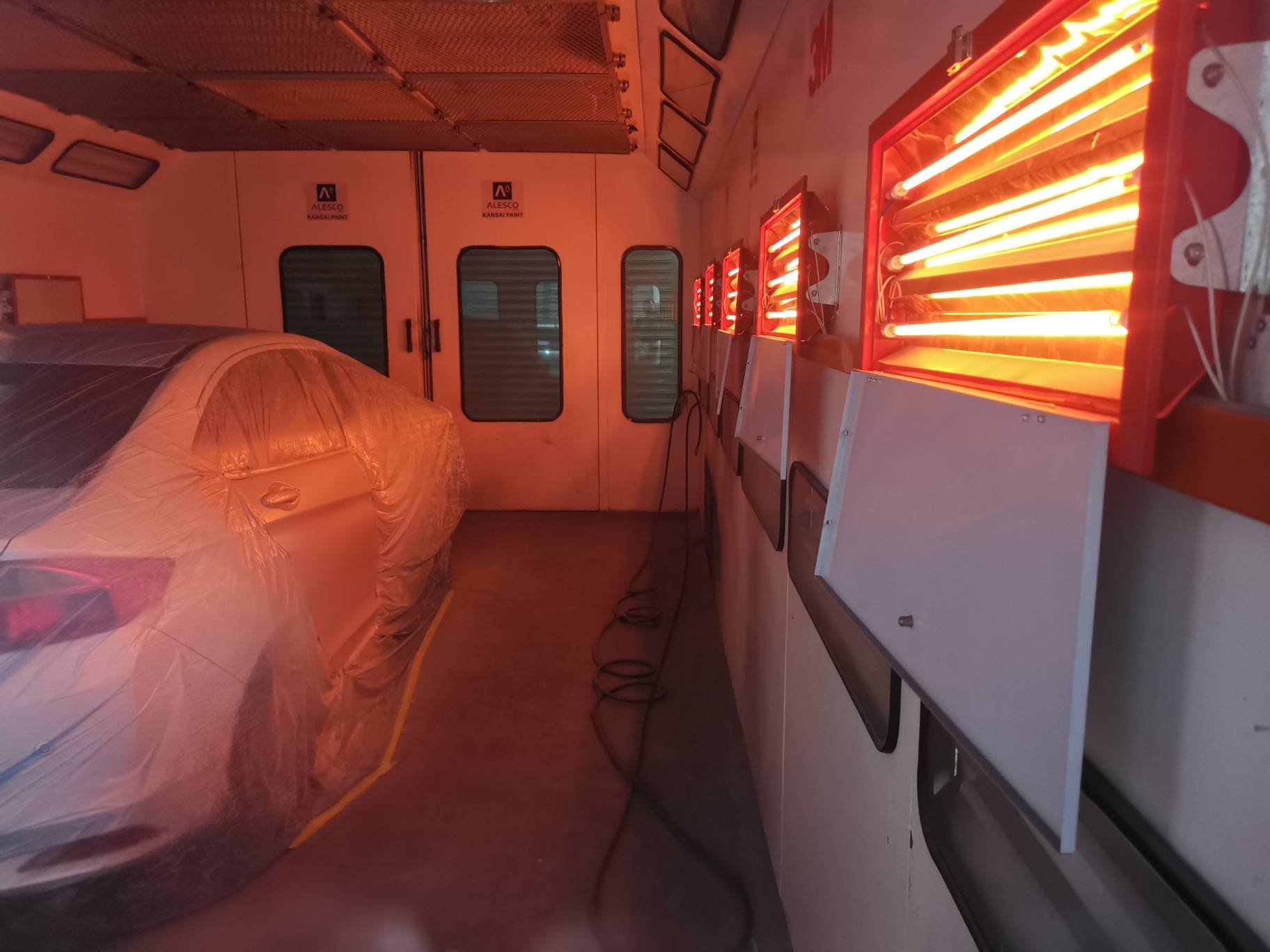
Most thermal cracking happens because the outside of the pad cures before the inside. You end up with a hard “skin” that traps gas inside the core. It’s a recipe for disaster. To fix this, we use IR arrays with zoned heating. Instead of just blasting the whole thing, you adjust the wattage as the pads move down the conveyor. This lets the core warm up at the same pace as the surface. Now, if you’re working with thick friction materials, you’ll want high-density emitters for that extra punch. But be careful. If you cram too many watts into a small space, you’ll scorch the edges. It’s all about finding that sweet spot between the distance of the emitter and the power cycles to keep the temperature rising steadily.
Why IR Beats the Old Ovens
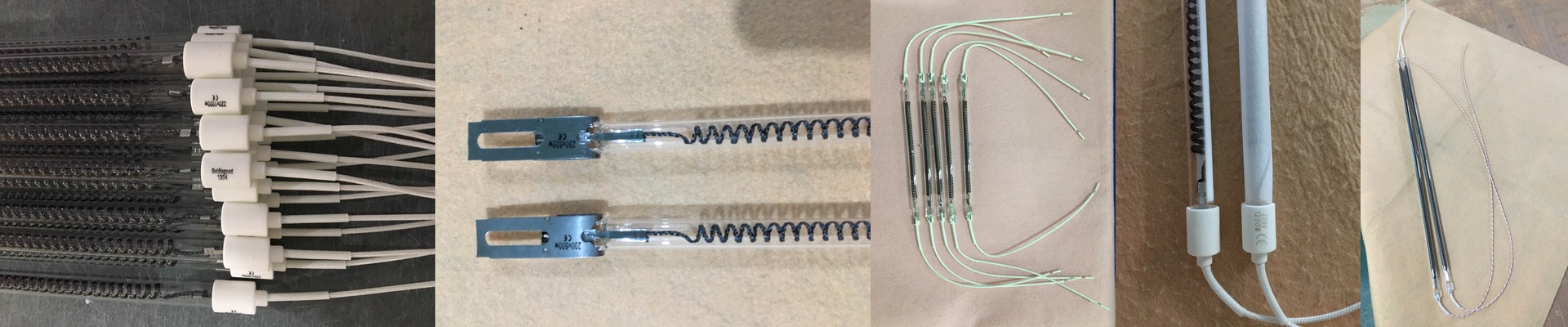
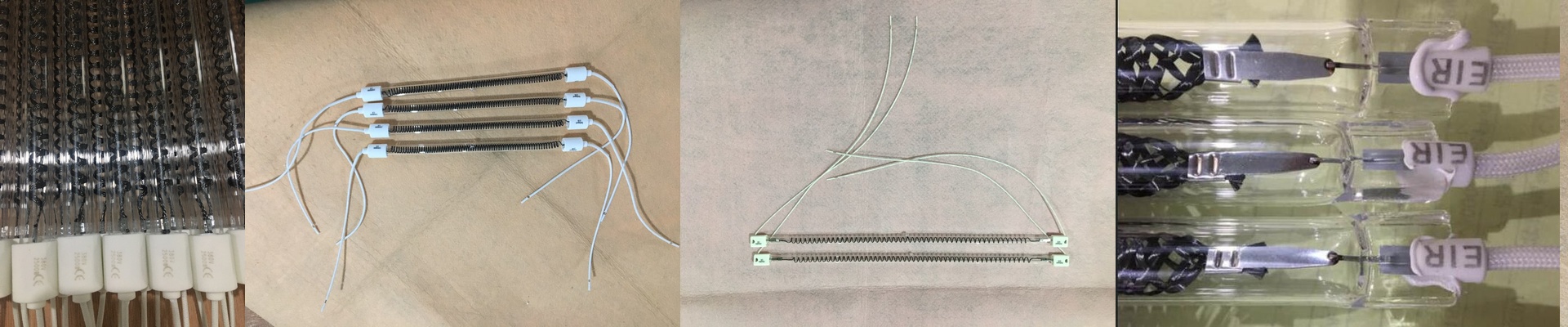
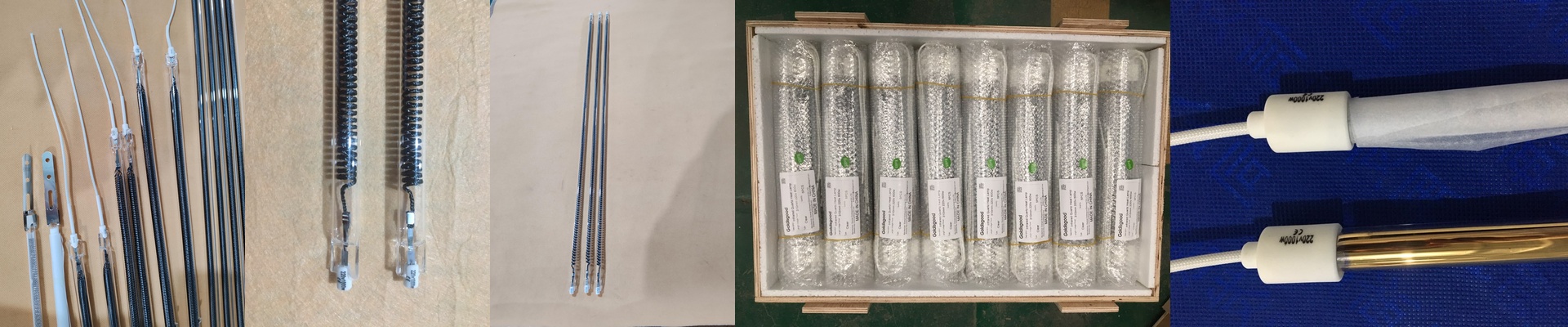
If you’re still using convection ovens, you’re basically relying on hot air. And let’s be honest—air is a terrible conductor. It takes forever for the heat to actually get into the pad, which leaves you with uneven curing and structural weak spots. IR is different. It dives straight into the resin matrix. I always suggest coated quartz tubes for these dryers. The coating tweaks the emission spectrum so it matches exactly what the phenolic resins want to absorb. You waste less power, and your pads move through the line faster.
Real-World Tips for the Shop Floor
Once you’ve got the system wired up, spend some time tuning your PID controllers. You need them to react fast. If there’s a lag in the sensor loop, you’ll overshoot your temp and end up scrapping a whole batch. That’s a headache nobody wants. And here is a pro tip: check your reflector alignment every single month. Dust builds up. When it does, your efficiency drops and you get “hot spots.” Those hot spots are exactly what cause the cracks you’re trying to get rid of in the first place. Keep them clean, and you’re golden.