How to Stop Brake Squeal Using IR Surface Treatment
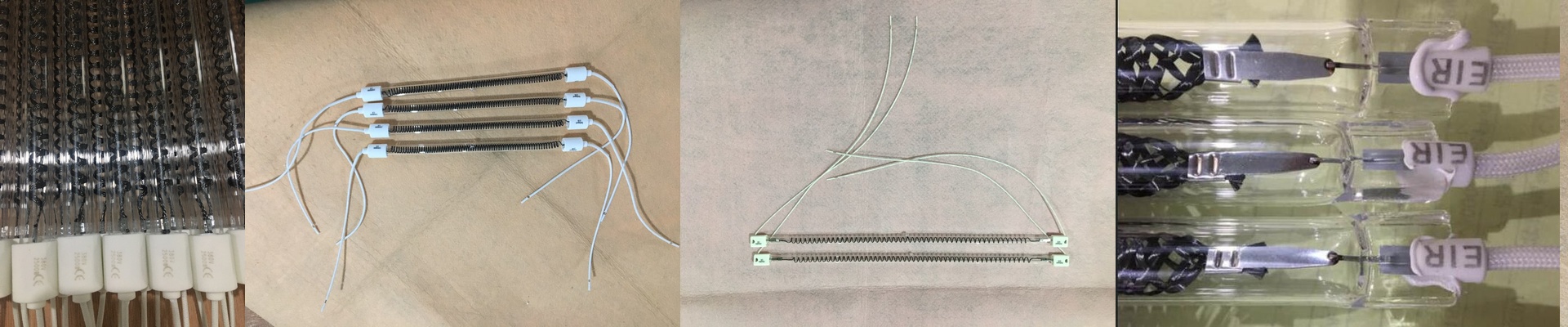
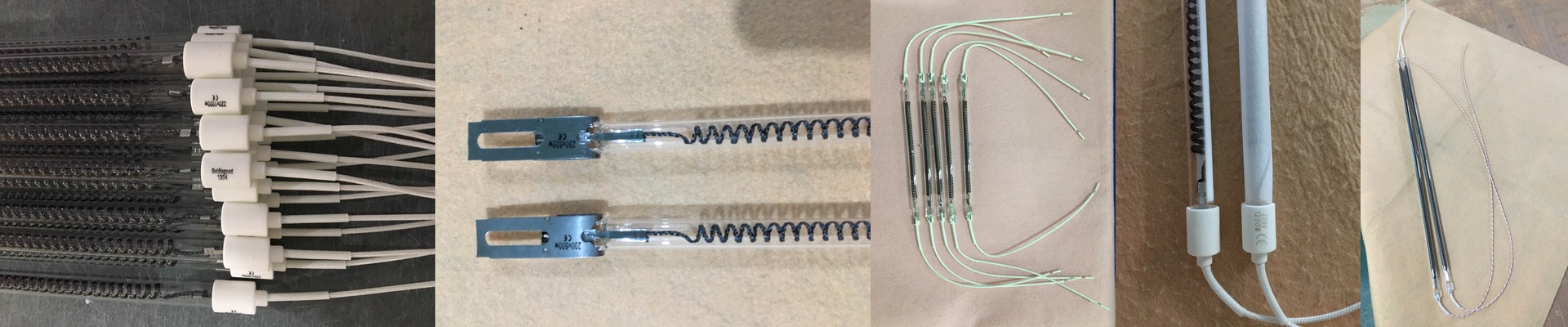
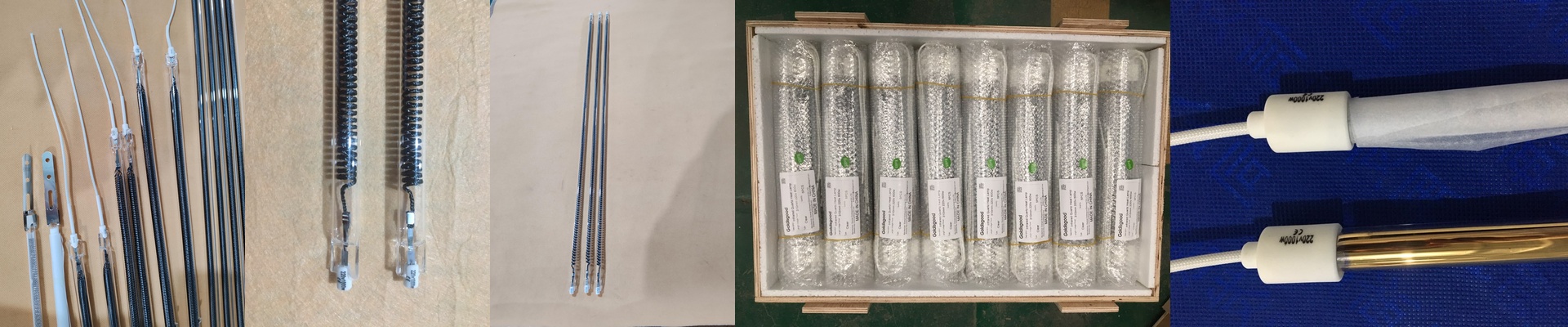
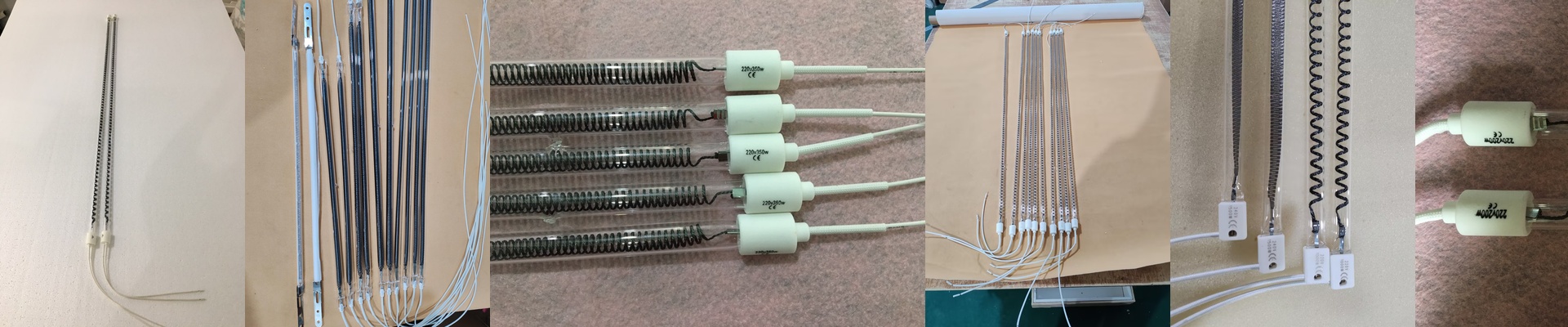
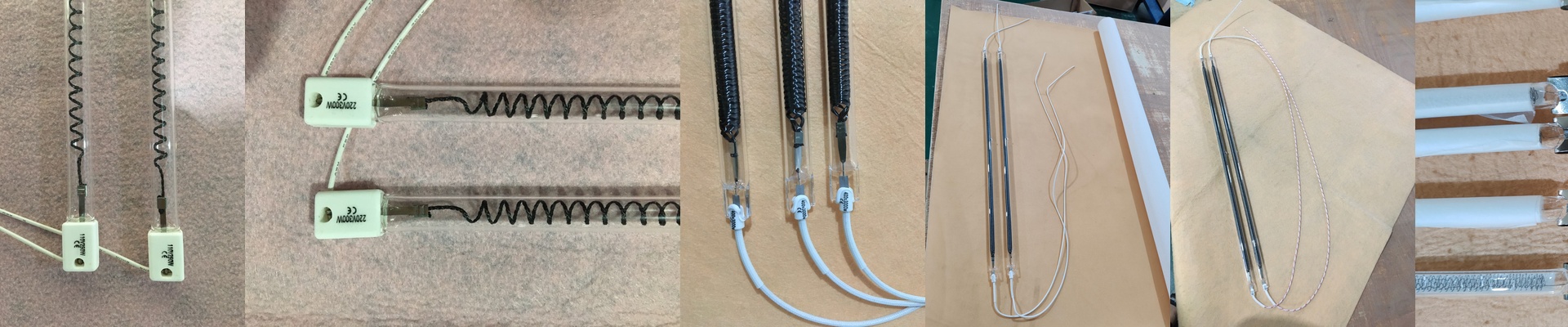
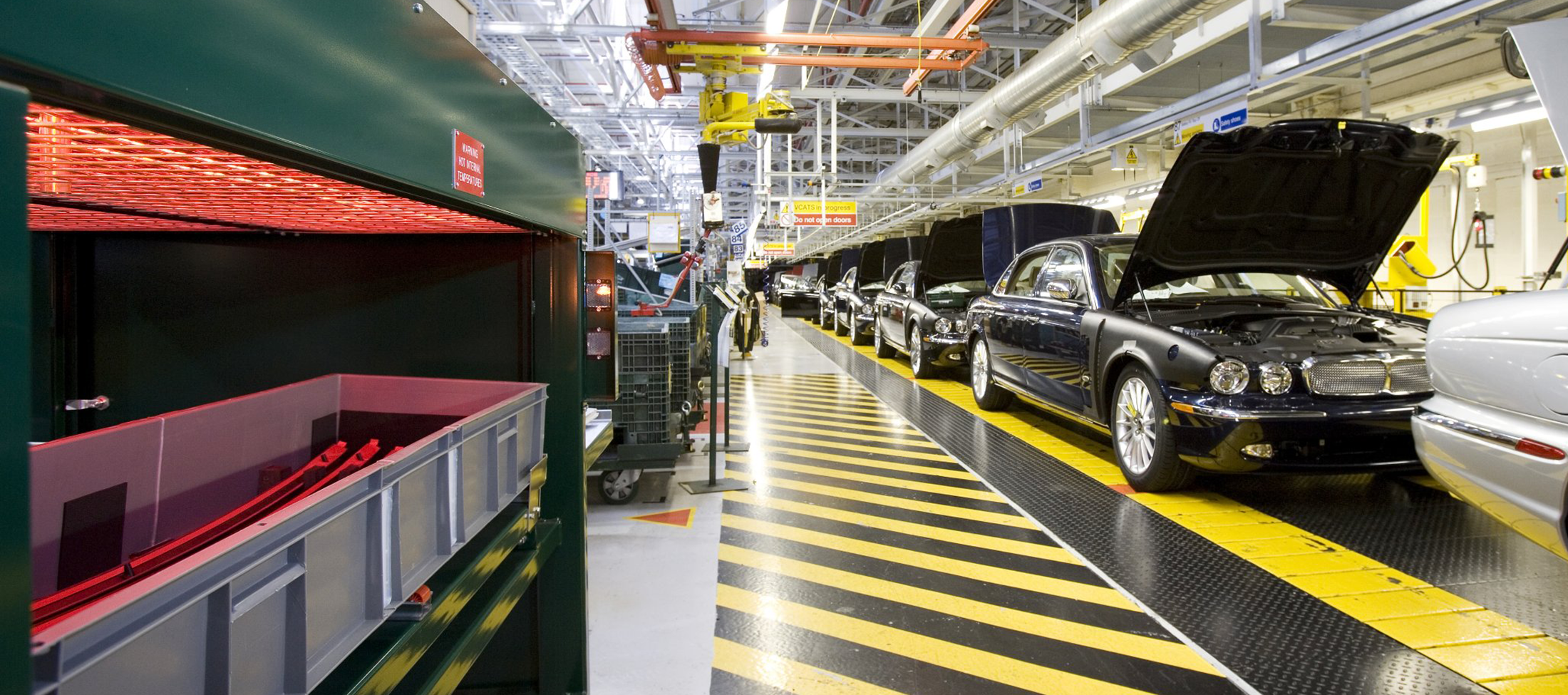
Nobody likes that high-pitched scream coming from a set of brakes. It’s annoying, and it usually means something went wrong during manufacturing. Most of the time, the culprit is how the friction material cured. If the outside hardens way faster than the inside, you end up with internal stress and weird density gaps. That imbalance creates vibrations. And those vibrations? That’s your squeal. We fix this with shortwave infrared (IR) heating. Getting the heat where it actually matters If you use a standard convection oven, you’re basically heating the “skin” of the pad and hoping the heat eventually crawls its way to the center. In a high-volume shop, you just don’t have that kind of time. Our IR lamps work differently. They send out radiation at wavelengths that the friction material actually absorbs. Instead of just sitting on the surface, the energy dives deep into the pad. This means the core and the surface cure at the same pace. You get a solid, uniform block of material. No surprises. The gear behind the heat To make this happen, we use high-wattage quartz halogen tubes. These aren’t your average lightbulbs. We’ve tuned them to ramp up fast, hitting those critical curing temperatures in a matter of seconds. The best part? You can usually just drop these right into your existing conveyor setup. We also add special coatings to the quartz. This keeps the surface from scorching while the center is still trying to catch up. It’s all about balance. Real talk: The shop floor side of things Look, more heat density means you can push more product through the line, but it does put a bit more pressure on your electrical system. If you’re running these high-wattage arrays, make sure your cabling and power supply can handle the peak load. You don’t want to be tripping breakers every time you start the shift. You also have to nail your conveyor speed. If the pads move too fast, the core stays under-cured. Too slow, and you’ll burn the resin. It’s a tight window, which is why getting your zoning right is the only way to keep things stable.