Stop the Squeal: Why Your Curing Oven is the Real Culprit
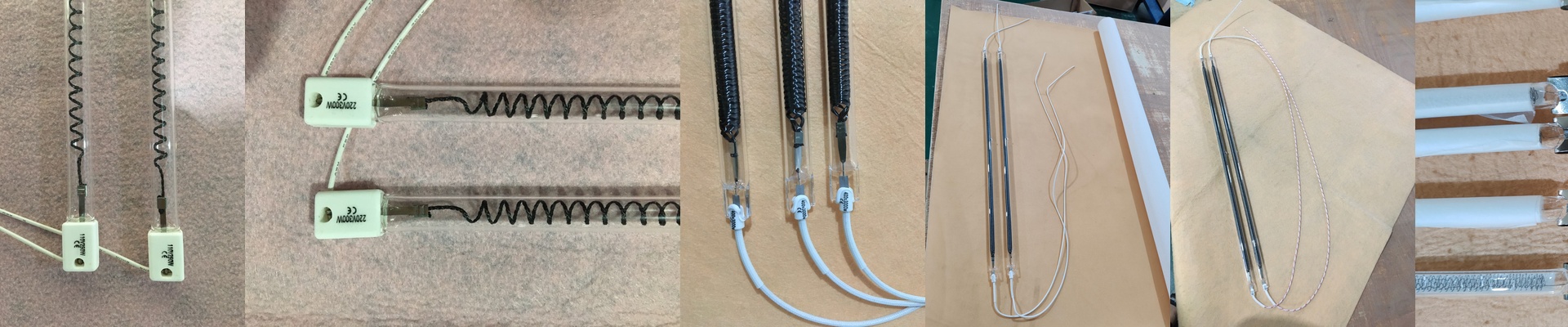
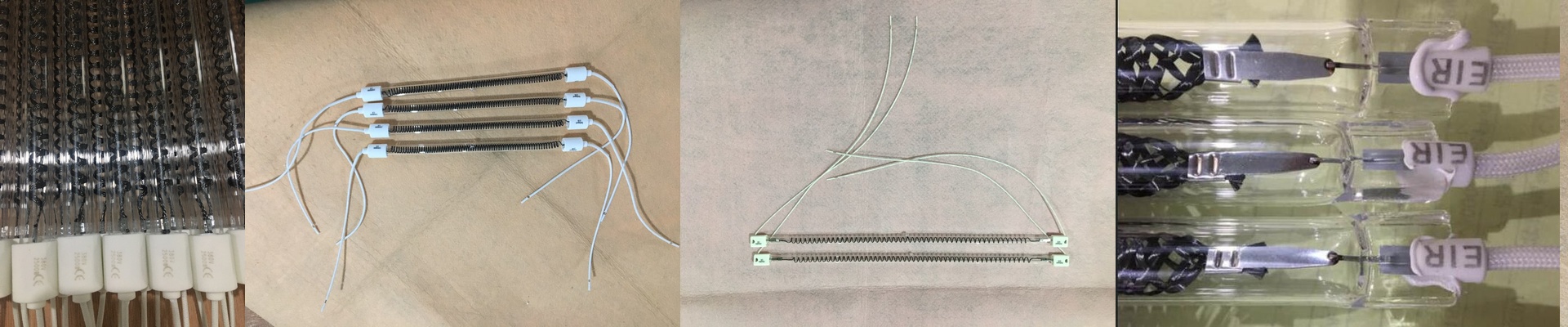
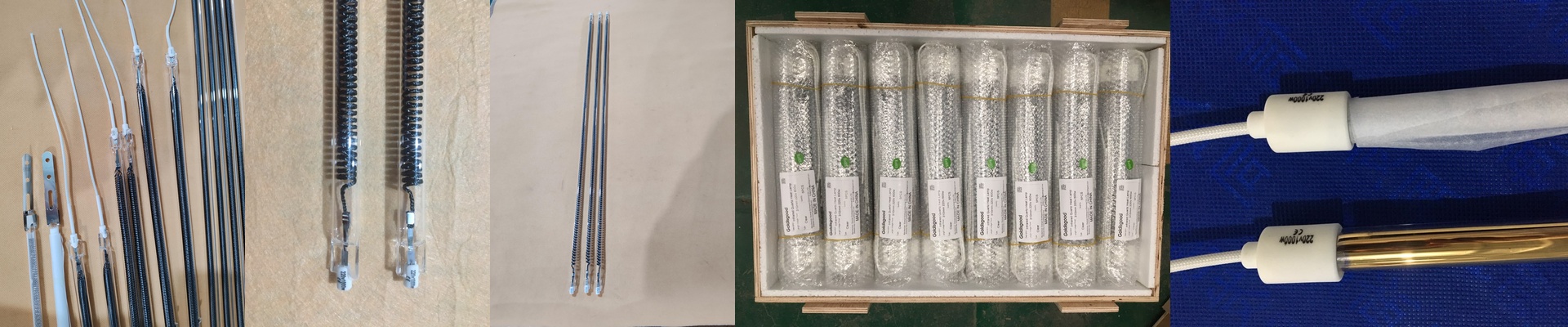
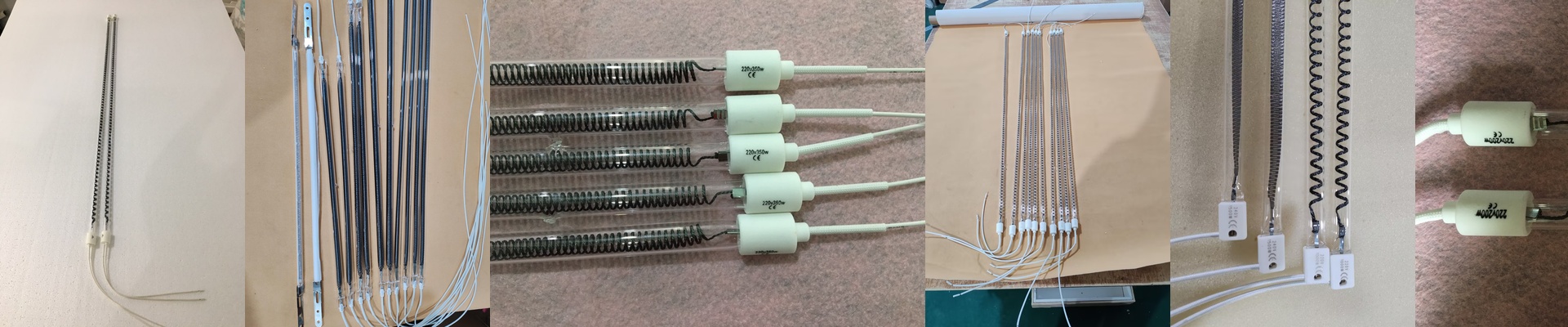
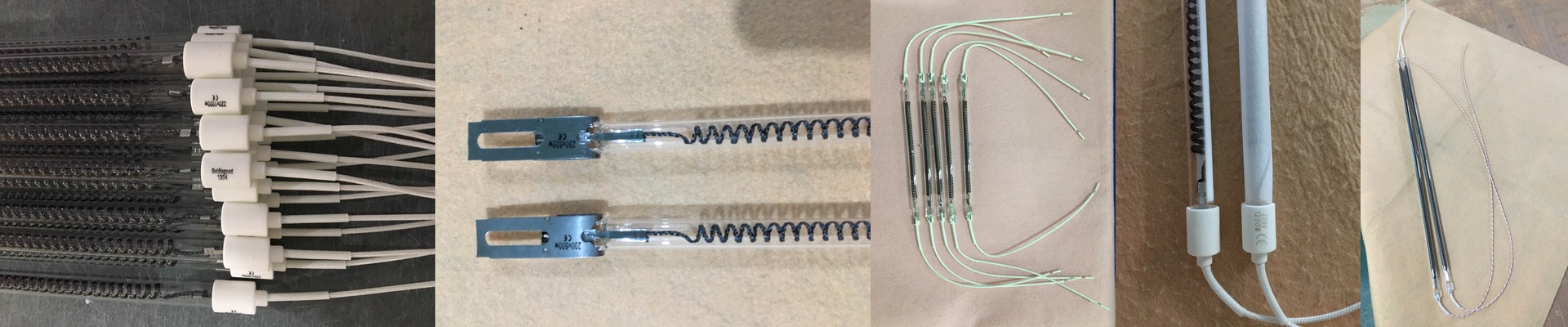
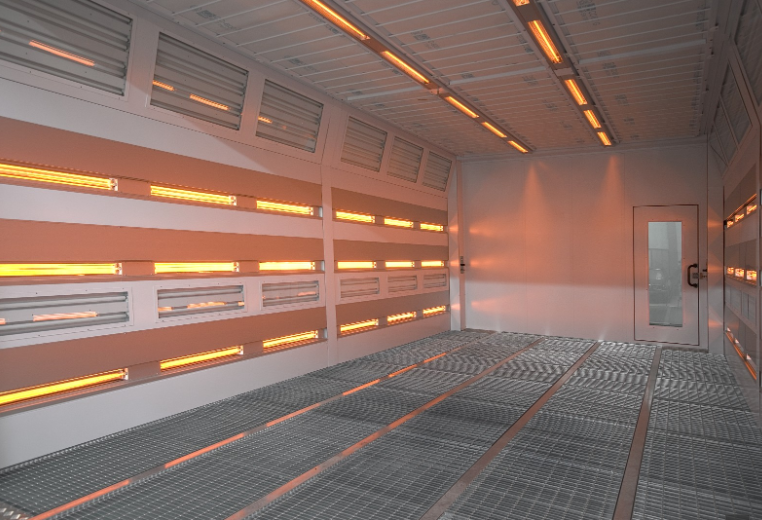
If your brake pads are squealing, you might be looking at the wrong part of the process. Most of the time, that noise actually starts inside the curing oven. When friction materials don’t cure evenly, you end up with internal stress and weird spots of density across the pad. That’s where the vibration comes from. We use short-wave infrared (SWIR) to kill that problem right at the source. The problem with old-school ovens Think about a standard convection oven. It heats the outside first, and then you have to wait for that heat to slowly crawl its way to the center. It’s like trying to thaw a frozen steak in a microwave—you often get “skinning,” where the outside is overcooked and burnt, but the middle is still raw. Not great for a brake pad. Short-wave IR is different. It hits the material with a shorter wavelength that actually sinks deep into the pad. It gets the molecules moving everywhere at once. You get a uniform cure from the backing plate all the way to the surface. No guesswork. The nitty-gritty stuff To make this work, we use high-watt density quartz lamps. These aren’t your average heaters. We push them with high voltage to cram as much energy as possible into a small space. The best part? You can actually make your oven shorter because the process is so much more efficient. Just a heads-up: keep an eye on your power draw. These SWIR arrays pull a lot of juice. If you’re swapping these into an old assembly line, double-check your breakers first so you don’t blow a fuse on day one. You’ll also want a solid cooling plan for the lamp housings—otherwise, the reflectors will warp from the heat. What this actually does for your day When the curing is consistent, the friction is consistent. The pad wears down evenly, the noise disappears, and your customers stop complaining. Plus, you spend way less time grinding down pads to fix mistakes and more time actually shipping product. It’s a simple way to fix the “noise” headache that usually comes with those old low-temp convection lines.